
The Creality K1 Max and the Bambu Lab X1 Carbon (X1C) are two of the most advanced consumer FDM 3D printers available today.
The K1 Max emphasizes large build volume and raw speed at a lower price, while the X1C focuses on automation, reliability, and multi-material precision.
The better choice depends on whether you value scale and openness or hands-off consistency and ecosystem polish.
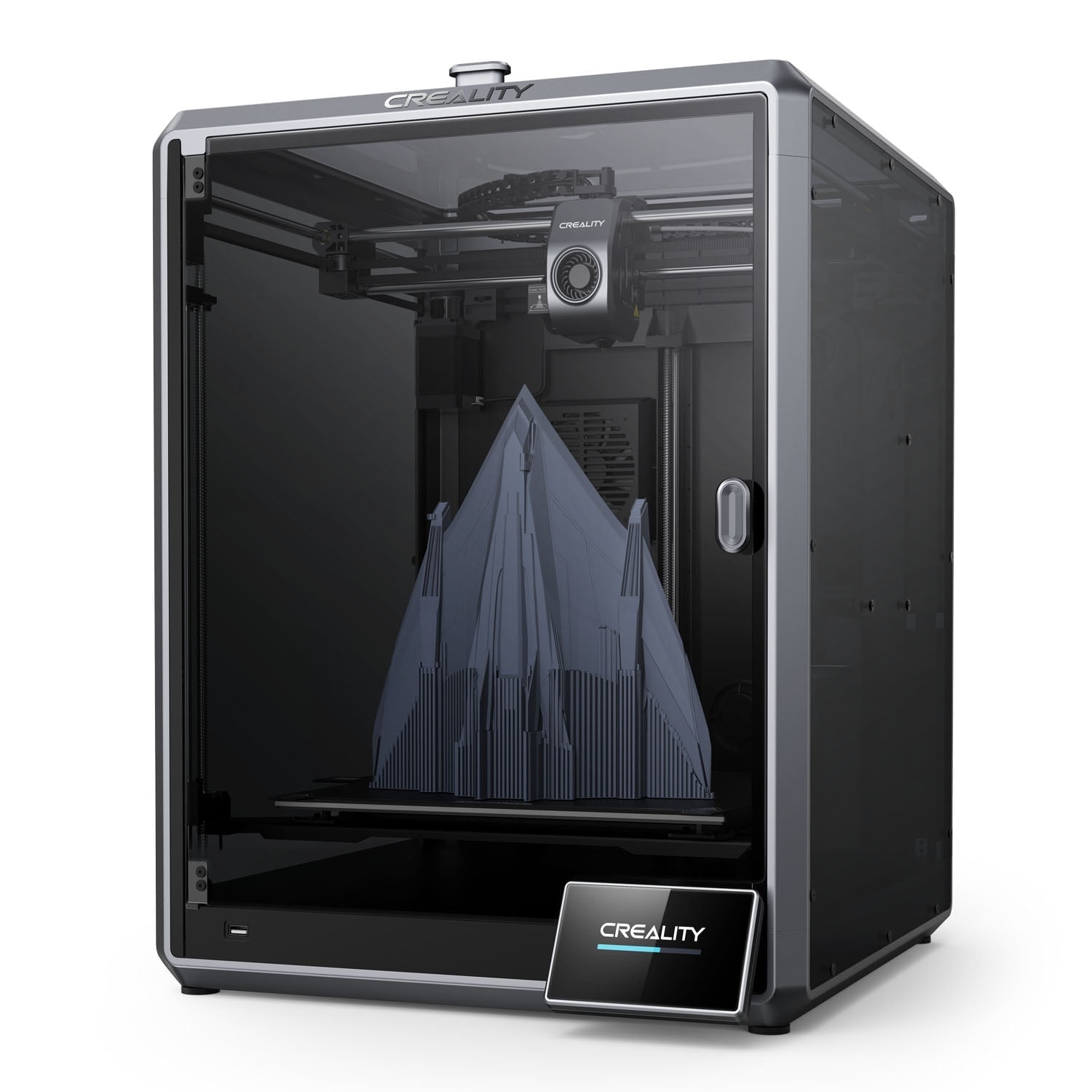
Creality K1 Max — Large Format Speed Without Lock-In
The Creality K1 Max is built for users who need a larger build volume, CoreXY speed, and the freedom to tune and customize their workflow. It’s well-suited for functional parts, prototypes, and batch printing where scale matters.
View the Creality K1 Max on Creality StoreDisclosure: This is an affiliate link. I may earn a commission if you purchase, at no extra cost to you.
Why This Comparison Matters in 2025
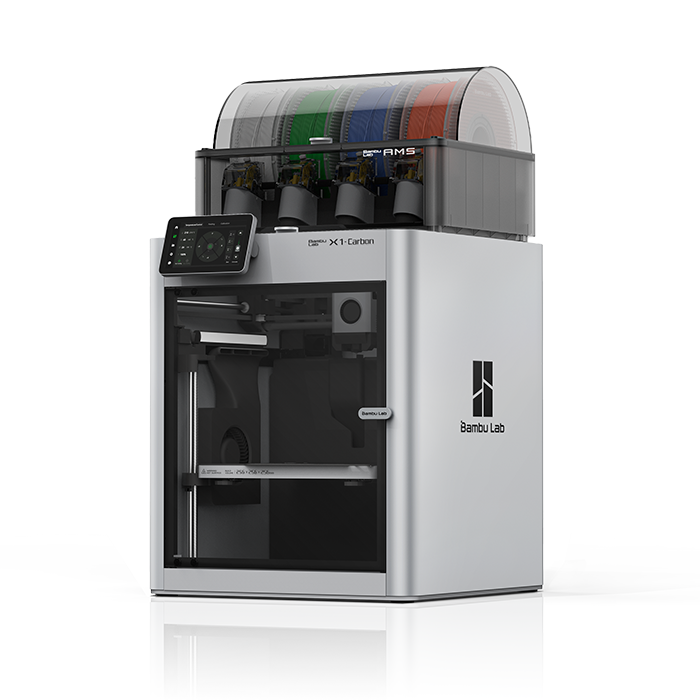
High-speed CoreXY printers are no longer niche. They’re replacing older Cartesian machines in workshops, small businesses, and serious hobby setups. The real decision is no longer “Can it print fast?” but:
- How reliable is that speed?
- How much manual tuning is still required?
- Does the printer scale with business or production needs?
This guide answers those questions directly.
At-a-Glance Comparison
| Feature | Creality K1 Max | Bambu Lab X1 Carbon |
|---|---|---|
| Build Volume | 300 × 300 × 300 mm | 256 × 256 × 256 mm |
| Max Print Speed | Up to 600 mm/s (claimed) | Up to 500 mm/s |
| Frame | Aluminum alloy | Steel + carbon rods |
| Enclosure | Fully enclosed | Fully enclosed |
| Auto Bed Leveling | Yes (LiDAR-assisted) | Yes (LiDAR + force sensors) |
| Multi-Material | External add-ons | AMS (up to 16 colors) |
| Target User | Power users, makers, small shops | Professionals, creators, educators |
| Price Tier | Lower | Higher |
Design Philosophy: Two Very Different Approaches
Creality K1 Max: Scale and Speed First
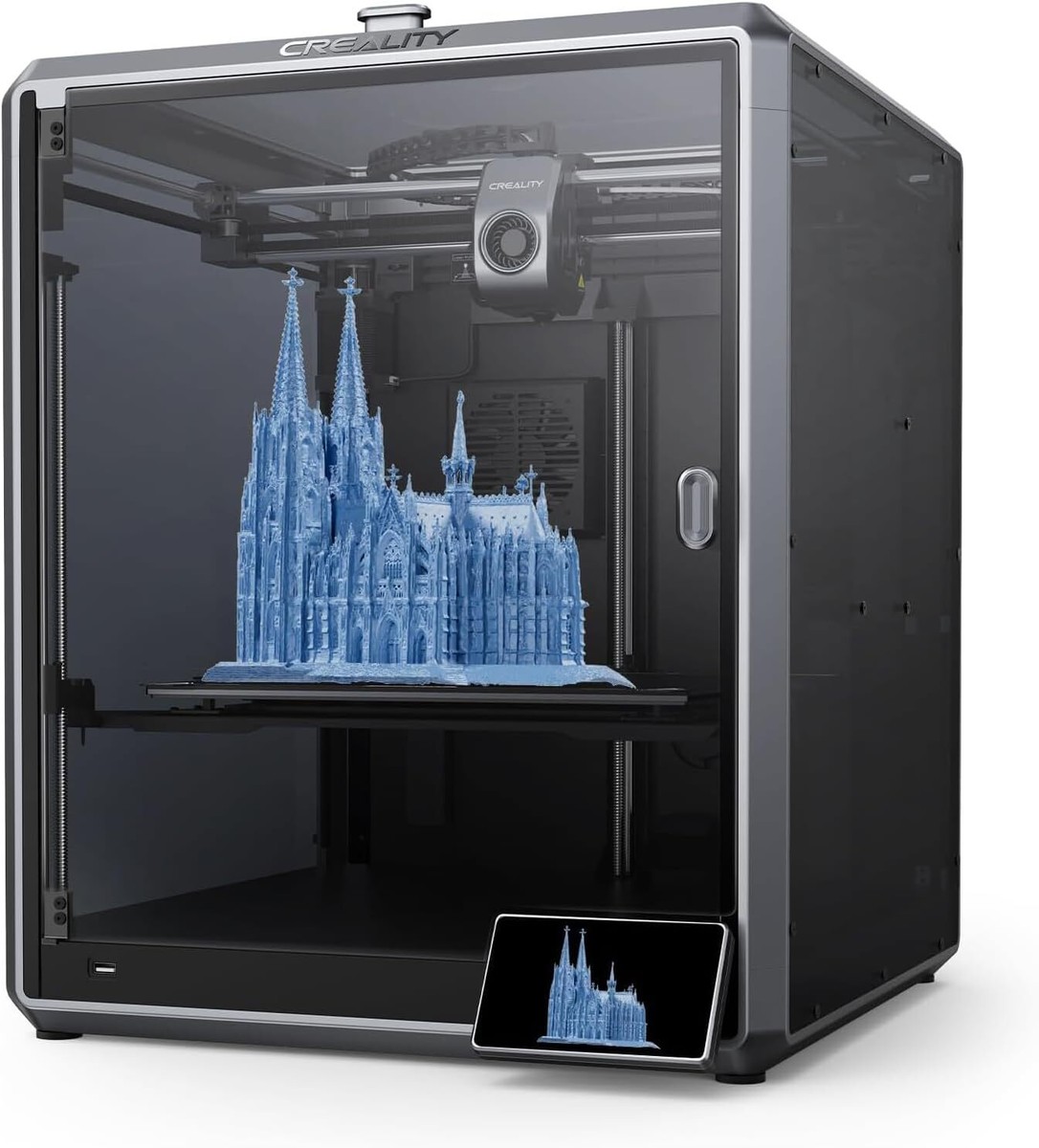
The Creality K1 Max is built around one core idea: go big, go fast, and stay flexible.
- Massive build volume enables large functional parts and batch printing
- Open ecosystem supports custom firmware, mods, and tuning
- Strong value proposition for users upgrading from Ender-class machines
This is a printer that rewards experience and experimentation.
3DMakerpro Scanners — From Physical Object to Printable File
If your workflow includes reverse engineering, part replacement, or scanning real-world objects for printing, 3DMakerpro scanners integrate well with fast CoreXY printers like the K1 Max and X1-class machines.
Explore 3DMakerpro ScannersDisclosure: I may earn a commission from qualifying purchases made through this link.
Bambu Lab X1 Carbon: Automation and Control

The Bambu Lab X1C takes the opposite approach: remove friction entirely.
- Industry-leading auto calibration
- Integrated AMS for seamless multi-color and multi-material printing
- Closed ecosystem optimized for predictable, repeatable output
This machine is designed to feel more like an appliance than a project.
Print Quality & Reliability
Creality K1 Max
- Excellent surface quality when tuned correctly
- Large prints benefit from enclosure temperature stability
- Requires more user oversight for long or complex jobs

Bambu Lab X1 Carbon
- Exceptional out-of-box consistency
- Handles high-speed prints with fewer artifacts
- Superior first-layer reliability and filament handling
Verdict:
If consistency matters more than customization, the X1C leads.
Speed: Marketing vs. Reality
Both printers advertise extreme speeds, but real-world results tell a clearer story.
- K1 Max shines with large, less intricate geometry
- X1C maintains quality at speed across complex and multi-material prints
Speed without reliability wastes time. The X1C’s calibration systems reduce failed prints significantly.
Multi-Material & Workflow Efficiency
| Workflow Task | K1 Max | X1 Carbon |
|---|---|---|
| Color Printing | Manual / external | Automated via AMS |
| Filament Switching | Manual | Automatic |
| Remote Monitoring | Yes | Yes (more polished) |
| Production Repeatability | Moderate | High |
If multi-color or material swapping is central to your workflow, this is not a close contest.
Ownership Experience & Ecosystem
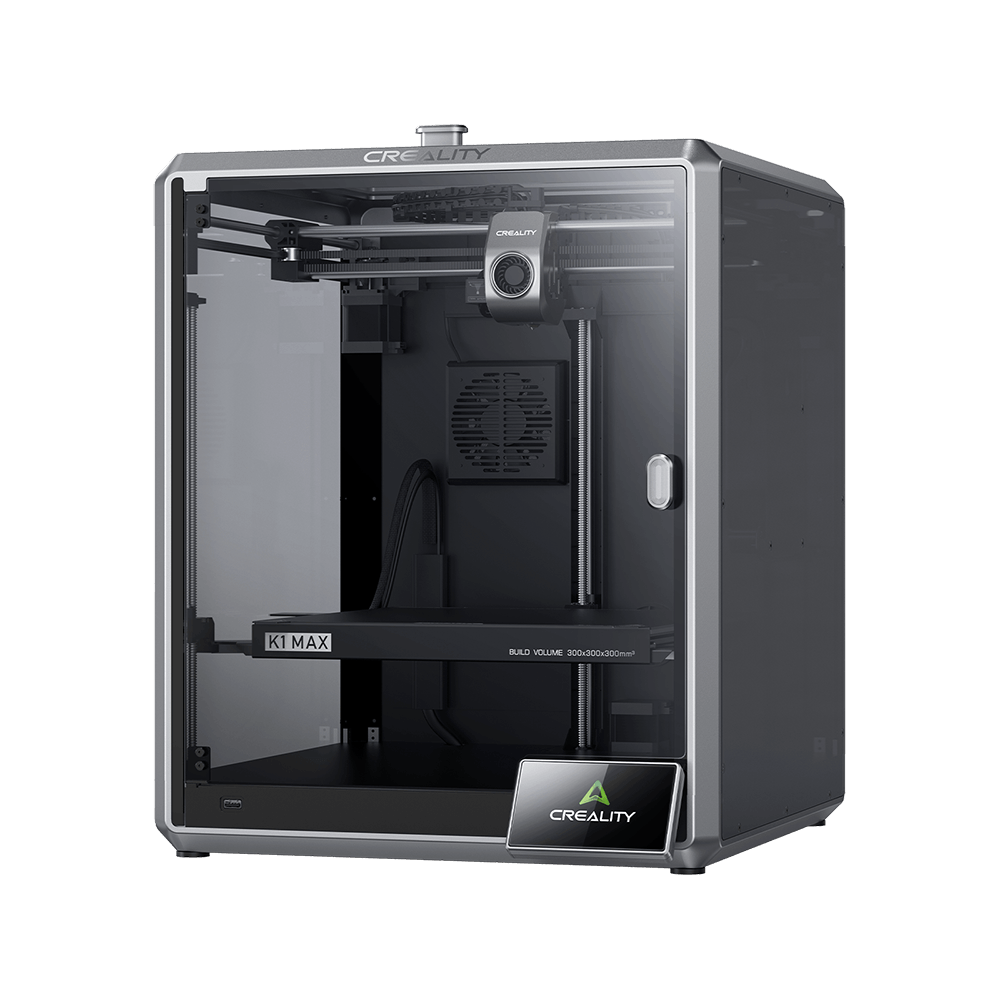
Creality K1 Max
- Greater freedom
- Community-driven improvements
- Better fit for tinkerers and service bureaus

Bambu Lab X1 Carbon
- Locked-down but refined
- Minimal downtime
- Ideal for content creators, educators, and small businesses
FAQ
Is the Creality K1 Max better than the Bambu Lab X1 Carbon?
It’s better for large prints and open customization, but not for automation or multi-material workflows.
Which printer is better for beginners?
The Bambu Lab X1 Carbon is significantly easier to operate with fewer failed prints.
Which is better for a small business?
If time equals money, the X1C’s reliability and AMS often justify the higher price.
Final Verdict: Which One Reigns Supreme?
There is no universal winner — only the right tool for the right workflow.
Choose the Creality K1 Max if you want:
- Large build volume
- Lower upfront cost
- Full control and modding potential
Choose the Bambu Lab X1 Carbon if you want:
- Hands-off reliability
- Multi-color automation
- Predictable, professional results
For creators focused on output consistency, the crown goes to the Bambu Lab X1 Carbon.
For builders who value scale and flexibility, the Creality K1 Max remains a formidable contender.
Before upgrading hardware: 3D Printer Upgrades That Actually Improve Print Quality
Supporting Hardware That Improves Real-World Results
Reliable accessories and components play a major role in print consistency and uptime. CHAORONG offers hardware solutions that complement high-speed printers and production-focused setups.
View CHAORONG ProductsDisclosure: This link may earn me a commission at no additional cost to you.
Continue learning: What Changes When You Start Printing for Production
