Author name: Bullwinkle

3D printer, 3D printing

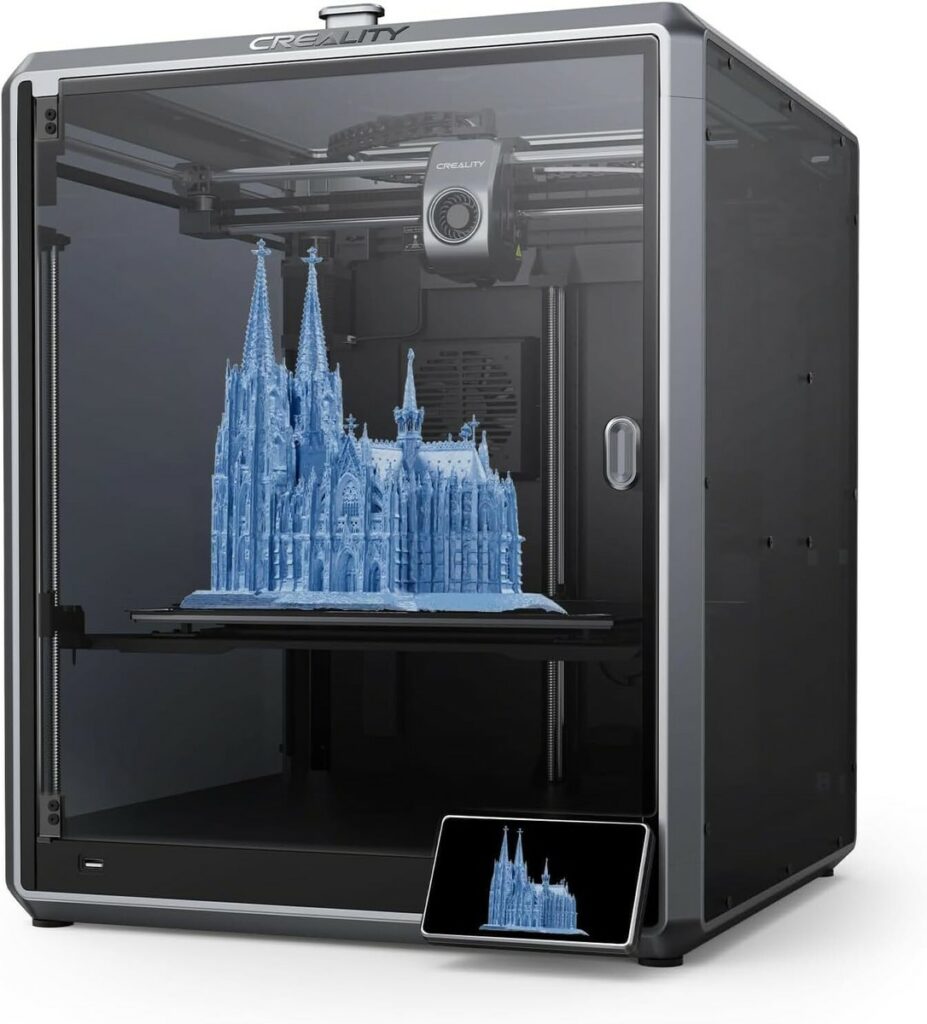
Creality SPARKX i7: Easy Multicolor 3D Printing in 2026

Multicolor 3D printing used to be a tradeoff: you could have color, or you could have simplicity. Creality’s new SPARKX i7 is trying to break that deal by making multicolor feel less like a hobby inside a hobby—more like a push-button upgrade for everyday makers. This is a first-look launch guide built from official product

3D printing

Why Makers Are Abandoning Gyroid Infill for Adaptive Cubic

Infill decision guide Gyroid became the dependable default for makers who wanted a strong, three-dimensional internal structure without Grid’s same-layer intersections. Then larger printers, faster profiles, and longer production jobs changed the question. Makers began asking whether every cubic inch of a big part needed the same internal density. That is where Adaptive Cubic earns

3D printer, 3D printing

0.2mm Layer Height is Slowing You Down: The New Speed Benchmarks

Learn the faster, stronger alternatives. Most 3D printing enthusiasts default to 0.2mm layer height because it is the “standard” profile in slicers like Cura and Prusa Slicer. However, recent benchmark data suggests that 0.2mm is often the least efficient choice for modern high-speed printers. By shifting to adaptive layers or specific volumetric offsets, you can

3D printer, 3D printing, additive manufacturing

Desktop Print Farms: How Small Businesses Out-Scale Giants

Small businesses are out-scaling large manufacturers by using modular 3D print farms instead of centralized factories. By stacking reliable desktop printers, standardizing profiles, and producing on demand, they reduce capital risk, scale incrementally, and often hit ROI faster than traditional tooling-based production. For decades, manufacturing scale belonged to giants: massive factories, long tooling cycles, and

3D printing

The Professional Guide to Zero-Warp ABS Printing (No Enclosure Required)

ABS has a reputation problem. Warping, corner lift, cracked layers. Most beginners assume an enclosure is mandatory. It is not. With the right filament, accurate first-layer calibration, proper bed preparation, and controlled airflow, flat and durable ABS 3D prints are achievable on open-frame printers. This guide focuses on practical ABS printing for beginners and buyers

Scroll to Top