In the world of additive manufacturing, moving from aesthetic models to functional prototypes requires a significant jump in material properties. While PLA is the industry standard for visual proofs, engineers frequently turn to Polycarbonate (PC) and Carbon Fiber Reinforced Filaments when a part must withstand mechanical stress, heat, or impact.
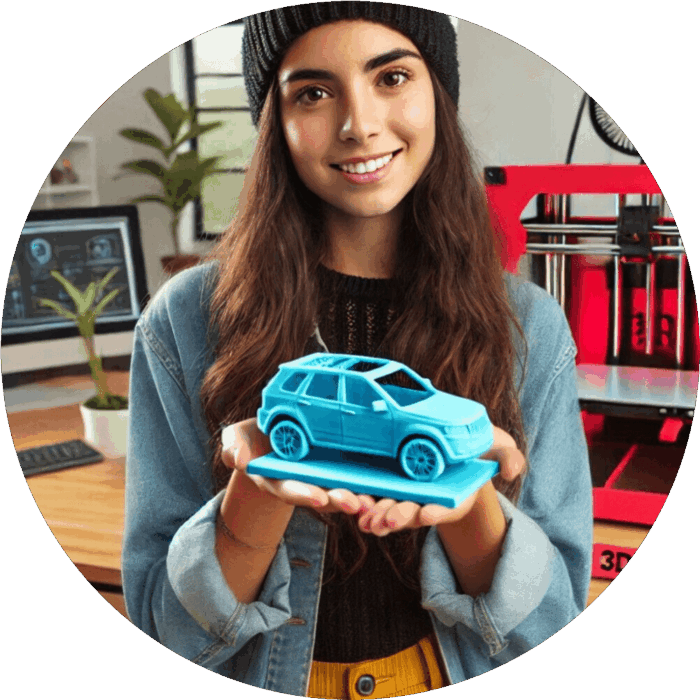
This guide explores why high-strength materials are replacing traditional CNC-machined parts in rapid prototyping and which hardware best handles these demanding polymers.
Why Mechanical Integrity Matters in Prototyping
High-stress prototypes are defined by their ability to maintain structural integrity under load. Standard filaments often fail due to low glass transition temperatures or poor interlayer adhesion. Engineers prioritize materials that offer:
- Dimensional Stability: Resistance to warping under thermal load.
- Tensile Strength: The ability to withstand pulling forces without snapping.
- Impact Resistance: Energy absorption during sudden contact.
Top Materials for High-Stress Applications
When selecting a material for a functional assembly, the choice usually narrows down to three primary contenders.
| Material | Key Strength | Best Use Case | Temperature Resistance |
| PC (Polycarbonate) | High Impact Resistance | Protective housings, structural brackets | Up to 110°C |
| PA-CF (Nylon Carbon Fiber) | High Stiffness/Weight Ratio | Functional gears, automotive jigs | Up to 150°C |
| ASA | UV & Weather Resistance | Outdoor mechanical enclosures | Up to 95°C |
The Role of Polycarbonate (PC)
Polycarbonate is often considered the gold standard for engineering. Its natural transparency is secondary to its toughness. Unlike PLA, which is brittle, PC can deform slightly before failure, preventing catastrophic breaks in pressurized or load-bearing environments.
Recommended Hardware for Engineering-Grade Filaments
Printing these materials requires more than a standard desktop setup. You need high-temperature nozzles (reaching 300°C) and, ideally, an enclosed build chamber to prevent delamination.
Professional Desktop Solutions
For those integrating these materials into a professional workflow, specialized hardware is required:
- Creality K1 Series: An enclosed, high-speed solution capable of handling PA-CF and ASA right out of the box. View Creality High-Temp Printers.
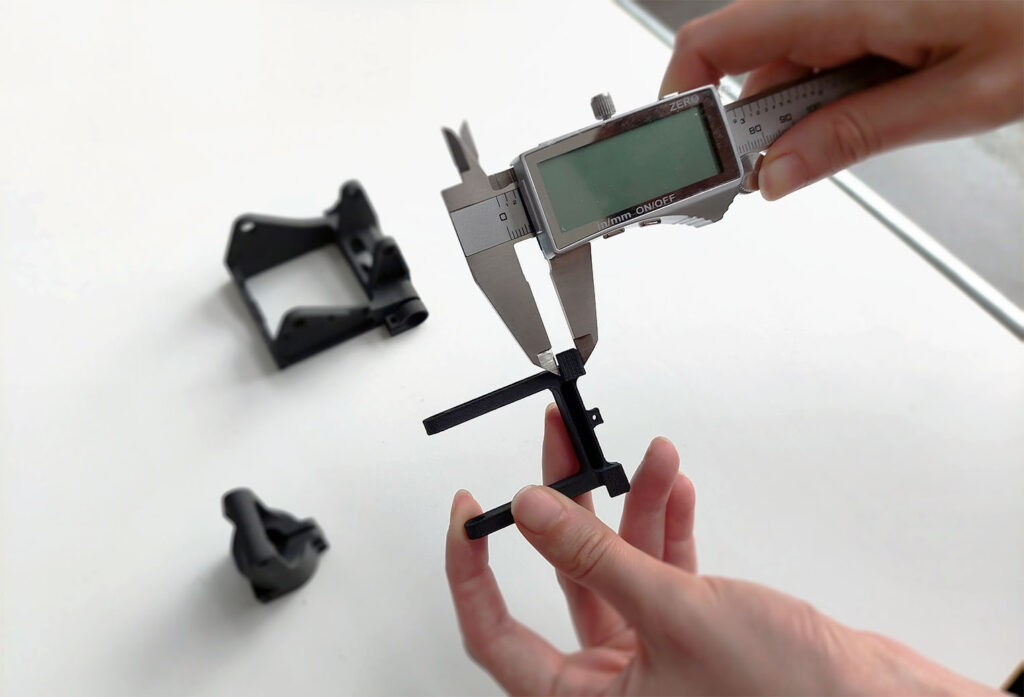
- 3DMakerpro Scanning: To ensure your high-stress prototypes meet exact tolerances, high-precision 3D scanning is essential for reverse engineering and quality control. Explore 3DMakerpro Scanners.
Sourcing Quality Filament
The quality of the raw polymer dictates the success of the print.
- COEX LLC: Known for high-grade industrial filaments made in the USA, including specialized blends for engineering. Browse COEX Engineering Filaments.
- Hong Kong Chaorong: A reliable source for specialized hardware components and high-performance materials. Check Latest Inventory.
Frequently Asked Questions
What is the strongest 3D printing material for functional parts?
While PEEK and PEI (Ultem) are the strongest, Polycarbonate (PC) and Carbon Fiber Reinforced Nylon (PA-CF) are the most accessible “high-strength” materials for engineers using standard professional-grade FDM printers.
Can a standard 3D printer print Polycarbonate?
Most budget printers cannot print PC safely. You require an all-metal hotend capable of 300°C, a heated bed reaching 110°C, and an enclosure to manage the cooling rate and prevent warping.
Is Carbon Fiber filament stronger than regular filament?
Carbon fiber infused filaments are significantly stiffer and have higher dimensional stability, but they are not always “stronger” in terms of impact resistance. They are ideal for parts that must not bend under pressure.
Engineering Best Practices for High-Stress Prints
- Orient for Strength: Always align your part so the stress is applied along the grain of the layers, rather than trying to pull the layers apart.
- Annealing: For materials like Nylon or PC, a post-print annealing process in a controlled oven can significantly increase heat resistance and structural bond.
- Moisture Control: Engineering filaments are highly hygroscopic. Using a dedicated filament dryer is mandatory to prevent bubbles and weak layer bonds.
SPARKX i7 Early Bird Price: $339 USD.Valid until January 20th.