
Disclosure: This article contains affiliate or partner links where they genuinely help the reader. If you make a purchase through one of those links, 3D Printing by Kevin may earn a commission at no extra cost to you.
A custom 3D printed model can start with almost anything: a broken plastic piece, a rough sketch, a digital file, a measurement, or simply a problem that needs a physical solution. The smartest way to get it made is not to begin with filament, infill, or printer speed. It is to begin with what the finished part actually needs to do.
That is especially important when fit, appearance, strength, or a hard-to-find shape matters. A good custom print is the result of several decisions working together—design, dimensions, material, orientation, tolerances, and testing—not just pressing “print.”
Quick Answer
What is the smartest way to order a custom 3D printed model? Send the problem first: what the part is, what it must do, where it fits, its approximate size, the quantity you need, and any photos, measurements, sketches, or digital files you already have. From there, the design and print approach can be matched to the real job instead of guessed from the shape alone.
These Are Real Prints From Kevin’s Workbench
The three photos in this article are not AI illustrations or stock examples. They show actual pieces made by Kevin. That matters because custom 3D printing is easiest to understand when you can see the range: a small replacement-style part, a shape-driven automotive piece, and a larger functional accessory all ask different questions before printing begins.
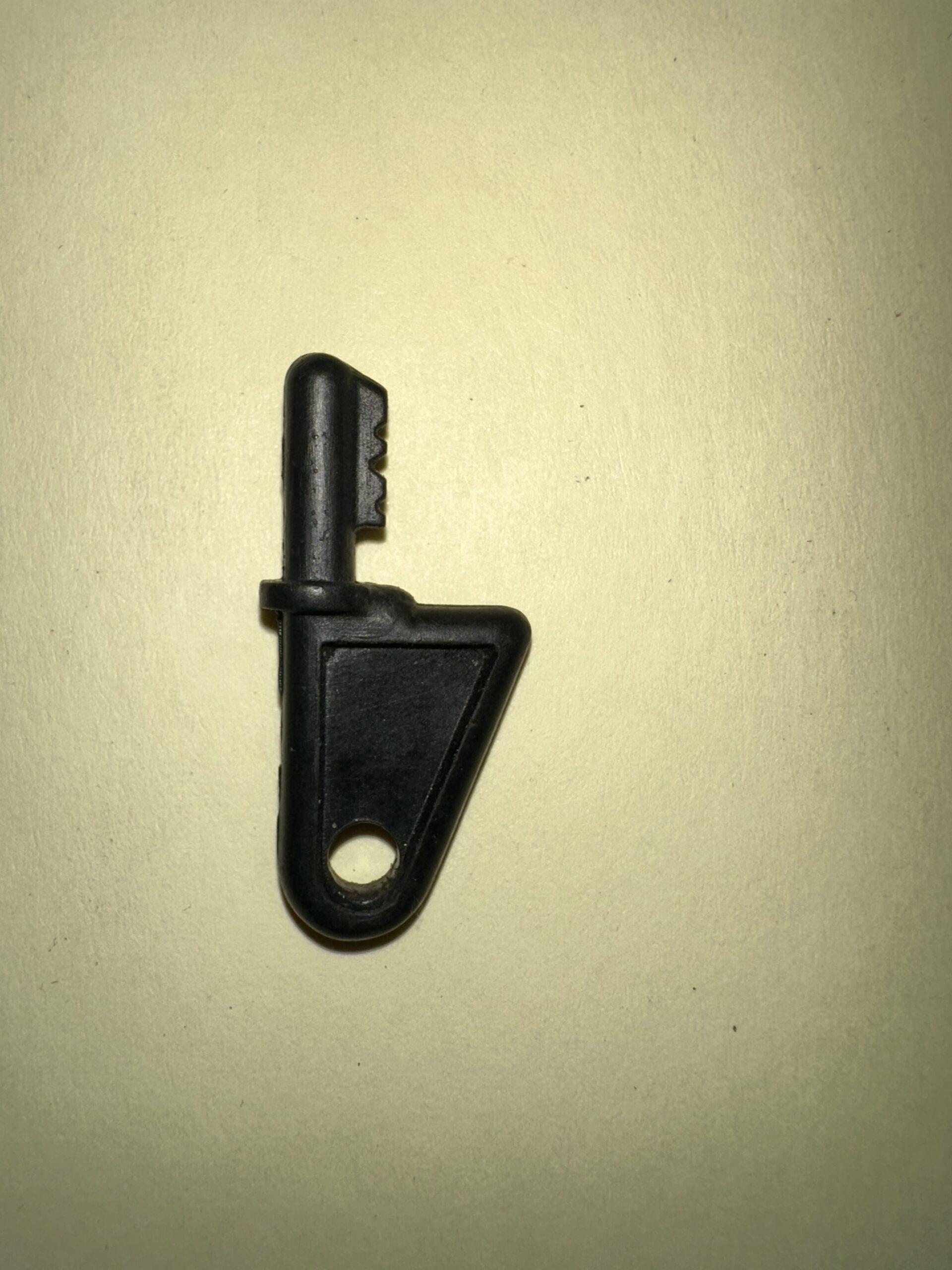
Start With the Job, Not the STL
A common mistake is assuming that having an STL automatically means the project is ready. Sometimes it is. Other times the file is only the beginning.
Before I decide how I would make a custom part, I want to know what success looks like. Does it only need to look right on a shelf? Does it snap into another part? Does it support weight, live in a hot vehicle, flex repeatedly, sit outdoors, or line up with existing screws?
Those answers affect the model, material, wall thickness, orientation, tolerances, and whether an FDM print is even the right manufacturing route.
The P.R.I.N.T. Project Map
Problem
What are we trying to solve?
Requirements
Load, heat, flex, appearance, quantity.
Interfaces
Holes, tabs, screws, shafts, mating surfaces.
Next-Best
Material, process, geometry, print plan.
Test & Tune
Verify fit and refine before quantity.
The Smartest Custom 3D Printing Workflow
1. Explain what the part has to do
Describe the job in plain English. You do not need technical vocabulary. “This clip holds a trim panel in place and needs to flex enough to snap in” is often more useful than simply saying, “I need this copied.”
For a display model, tell me what surfaces people will see. For a functional part, tell me where the force, movement, heat, or wear occurs.
2. Send the best reference material you have
A project can begin with an STL, STEP, OBJ, 3MF, PDF, sketch, photograph, broken original, or a set of measurements. If you have the physical part, photos from several angles are far more useful than one straight-on picture.
If the part mates with something else, photograph that area too. The surrounding geometry often explains details that are easy to miss when the original component is sitting by itself on a table.
3. Identify the dimensions that cannot be wrong
Not every measurement carries the same importance. A decorative outer curve may have room for interpretation, while a screw-hole center, shaft diameter, slot width, snap-fit tab, or mounting face may have very little.
This is why I like to separate critical dimensions from “nice-to-match” dimensions. It keeps the project focused on function first.
4. Decide whether appearance, function, or both matter most
Some custom models are judged mainly by shape and finish. Others are judged by whether they fit and survive repeated use. Many projects need a balance of both.
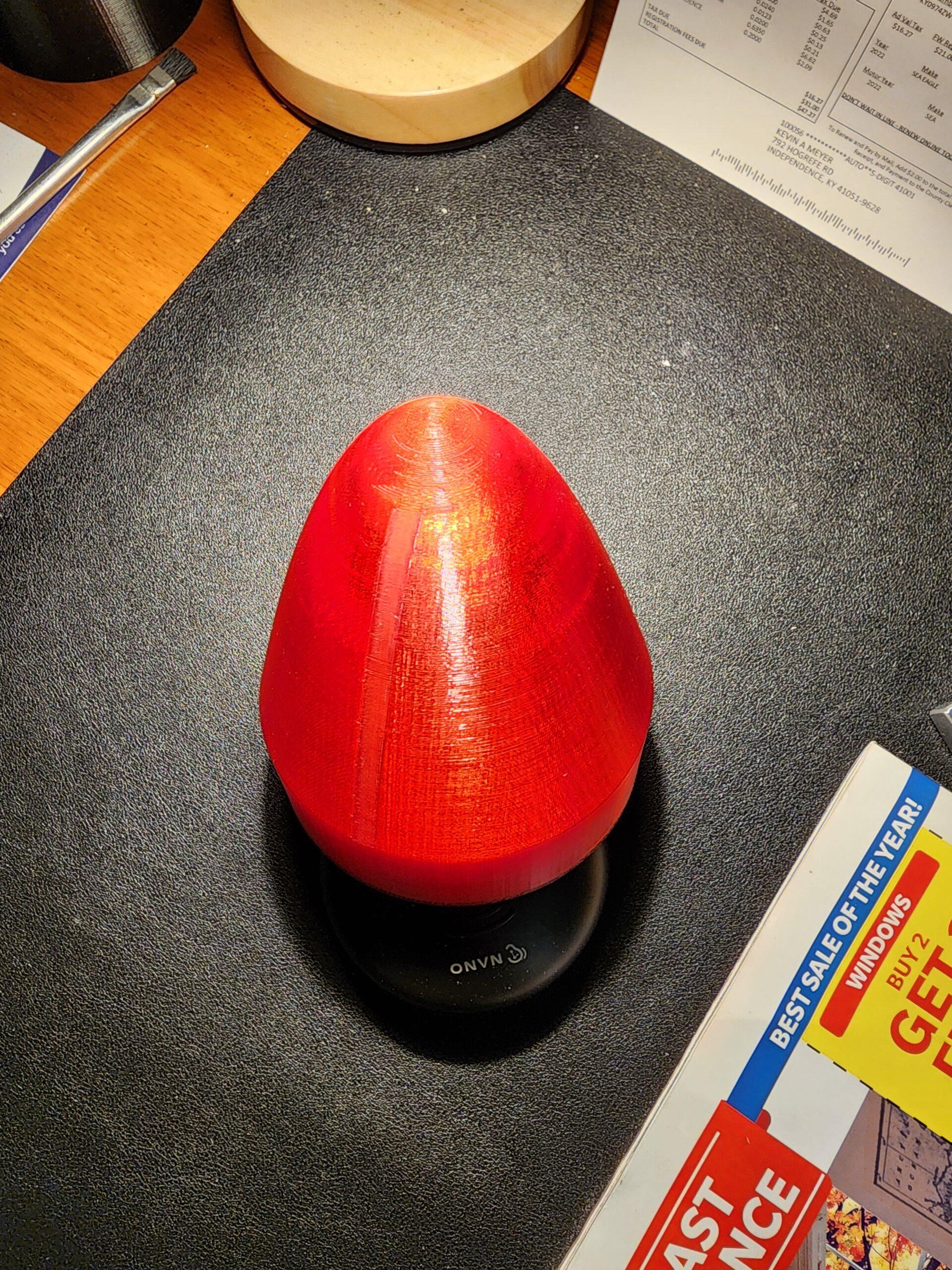
A visible cover can justify extra attention to seam placement and surface quality. A hidden bracket may be better served by stronger geometry, simpler surfaces, and an orientation chosen around the load.
5. Match the material to the environment
There is no universal “best filament.” The right choice depends on where the part will live and what it will experience.
- PLA can work well for many indoor models, prototypes, fixtures, and low-heat uses.
- PETG is often considered when a project benefits from additional toughness, moisture resistance, or a little more give.
- ABS or ASA may make sense for some higher-temperature or outdoor-oriented projects, but geometry, printer setup, and the actual use still matter.
- TPU can be useful when controlled flexibility is part of the job.
The material decision should follow the requirements—not a trend. If you print your own parts, I also work with COEX 3D filament; my partner page includes the current details and code where eligible.
6. Expect a test-fit loop when fit really matters
A prototype that reveals a needed adjustment is not a failed project. In fit-sensitive work, a controlled test print can be the fastest way to confirm clearance, alignment, finger access, snap behavior, or how a part feels in actual use.
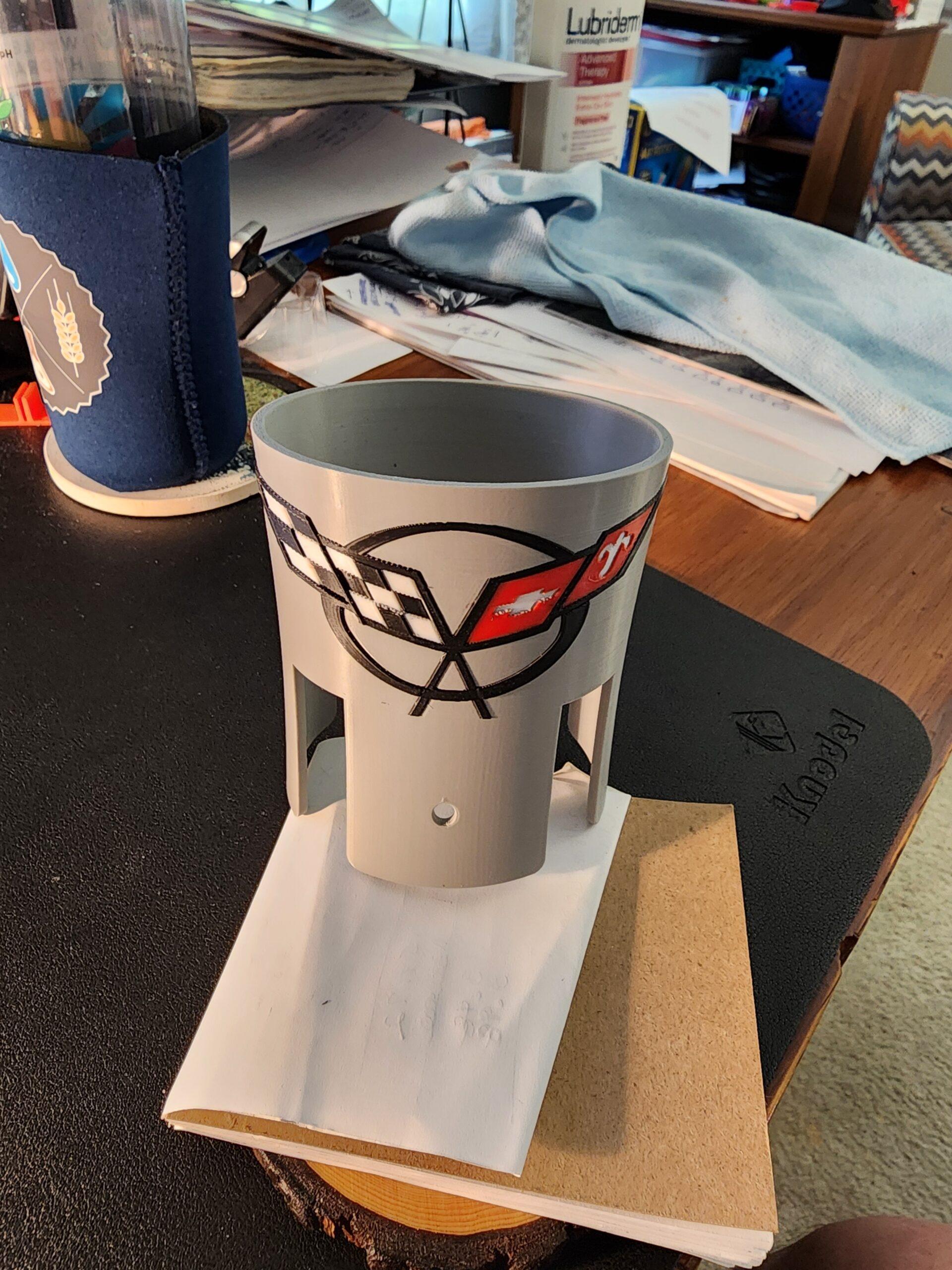
For anything that connects to an existing object, the interfaces deserve special attention. The cup, fastener, opening, console, shaft, bracket, or mating surface around the part is part of the design problem too.
If you want a deeper look at that approach, see From Broken Part to Better Design: Custom 3D Printing in Action.
What Should You Send for a Custom 3D Printing Quote?
| What to send | Why it helps | Best detail to include |
|---|---|---|
| Photos | Shows shape and context | Several angles plus where it installs |
| Measurements | Establishes scale and critical fit | Hole spacing, diameters, thicknesses, overall size |
| Broken original | Reveals interfaces and failure points | Include every fragment you still have |
| STL / STEP / OBJ / 3MF | May shorten the modeling stage | Tell me whether the file can be modified |
| Use conditions | Guides material and design choices | Heat, sunlight, flex, load, vibration, moisture |
| Quantity and deadline | Affects process and planning | Prototype first, then final quantity if appropriate |
DIY or Have the Model Made? Use the Goal to Decide
Owning a 3D printer can be a fantastic hobby and a useful workshop skill. But buying a printer makes the most sense when you actually want the printing process—not when you only need one finished object.
| Choose DIY when… | Choose a custom service when… |
|---|---|
| You want to learn slicing, setup, calibration, and troubleshooting. | You primarily need the finished part or model. |
| You expect to print often. | You need one piece or a small batch. |
| Experimenting is part of the fun. | You would rather spend your time on the project itself. |
| You are comfortable iterating your own designs. | You need help evaluating design, fit, material, or printability. |
If you do want to learn the process yourself, P.R.I.N.T. It: Practical 3D Printing for Beginners walks through the planning, setup, material, troubleshooting, and test-and-tune mindset I use in real projects.
Why Custom 3D Printing Works So Well for One-Off and Low-Volume Ideas
One of additive manufacturing’s biggest strengths is that it can move from a digital design to a physical object without first creating expensive production tooling. That is why it fits prototypes, custom parts, end-of-life replacements, and low-volume work so naturally.
The National Institute of Standards and Technology specifically notes rapid prototyping, customized products, low-volume production, and replacement parts among the practical benefits of additive manufacturing. You can read its overview here: NIST — Additive Manufacturing / 3D Printing.
Not Every Part Should Be 3D Printed
Being printable does not automatically make a part appropriate for FDM. Safety-critical parts, highly regulated applications, extreme-temperature components, pressure-containing parts, or jobs requiring certified material properties may need a different process or an original approved replacement.
That evaluation is part of getting the job made right. My goal is not to force every project onto one of my printers. If a different manufacturing route makes more sense, the project should be judged on that basis.
You can also see how I approach unusual one-off work in Need Something That Doesn’t Exist? Custom 3D Printing for Unique Builds.
Use This 60-Second Planner Before You Request a Quote
Custom 3D Print Planner
- Problem: What does the finished piece need to solve?
- Size: What are the approximate overall dimensions?
- Interfaces: What must fit, snap, screw, slide, hold, or align?
- Environment: Indoor, outdoor, vehicle, heat, sunlight, moisture, chemicals?
- Load: Is it decorative, lightly loaded, structural, flexible, or repeatedly moved?
- Appearance: Does surface finish or color matter?
- Quantity: One, a few, or a repeatable batch?
- Files: Do you have STL, STEP, OBJ, 3MF, sketches, or only the original object?
- Rights: Do you own the design or have permission to reproduce it?
- Deadline: Is there a specific date the part is needed?
You do not need to answer every question perfectly. The planner is simply a faster way to give me enough context to evaluate the project without making you learn 3D-printing terminology first.
Have a file, sketch, broken part, or idea?
Send what you have. I’ll review the project for printability, fit, material, and the most practical next step.
Start a Project ReviewQuick Knowledge Check
Tap each question to check your answer.
1. What should come first: choosing filament or explaining what the part must do?
Answer: Explain the job first. Material should be selected from the actual requirements.
2. Do you need an STL before requesting a custom print?
Answer: No. A project can often begin with photos, measurements, a sketch, a broken original, or another usable file format.
3. Is a fit-test prototype automatically a failed print?
Answer: No. For fit-sensitive work, a test piece can deliberately reveal the adjustment needed before final production.
4. Is every plastic part a good candidate for FDM 3D printing?
Answer: No. Safety, heat, pressure, certification, load, and the consequences of failure all matter.
Frequently Asked Questions
What is a custom 3D printed model?
It is a made-to-order physical object produced from a digital model. It can be decorative, functional, a prototype, a replacement part, a fixture, an accessory, or a one-off solution designed around a specific need.
Do I need a finished CAD file?
No. A useful starting point can be a broken original, measurements, photographs, a sketch, an existing 3D file, or a clear explanation of what the part needs to accomplish.
Can Kevin recreate a discontinued plastic part?
Some discontinued plastic parts are good candidates for reverse engineering or redesign, especially when the original can be measured and the use is appropriate for FDM. The part’s function, environment, load, and safety role should be evaluated before deciding.
How accurate does my measurement need to be?
Start with the most important interfaces: holes, shafts, tabs, slots, screw locations, mating surfaces, and overall size. If you are unsure which measurements are critical, send photos and the surrounding part so the project can be evaluated in context.
Can I order just one custom print?
Yes, one-off and small-quantity projects are often where custom 3D printing is especially useful. For repeat quantities, it usually makes sense to confirm the design and fit before multiplying the same geometry across a batch.
The Best Custom Print Starts Before the Printer
A custom 3D printed model is not just a file turned into plastic. The best results come from understanding the real problem, identifying the critical interfaces, choosing a sensible material and process, and being willing to test the fit when the job demands it.
If you have something that needs to be recreated, improved, adapted, or made from scratch, send the details through the project intake form. You can also learn more about my background and workshop approach on the About Kevin page.
Have you ever needed a plastic part or model that simply did not exist? Tell me what it was in the comments. Those real-world problems are often where the most useful 3D-printing ideas begin.
