
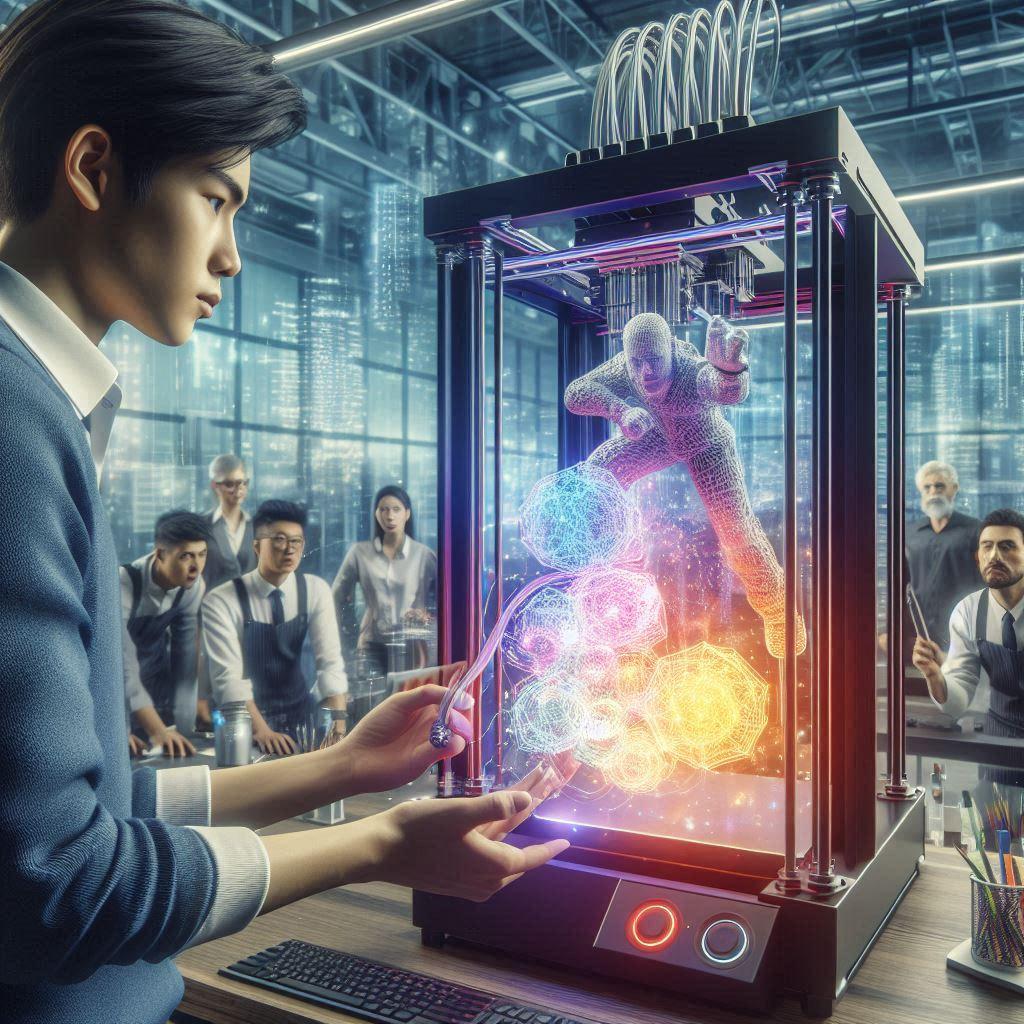
Discover how 3D printing is transforming everyday life—from on-demand repairs and hyper-customization to global sustainability and supply chains. In this post, we explore why understanding this technology is a wise investment in your future, rather than just chasing the latest tech trend.
From “Repair-Kit” to True Self-Reliance
With 3D printing, the days of waiting weeks for a backordered part or throwing away a perfectly good appliance because of a single broken clip are ending. Objects can now be designed, printed on demand, and tailored to your specific needs.
This technology empowers you to solve problems creatively and immediately. It shifts your role from a passive consumer to an active creator. [Learn more in our guide to getting started with 3D printing at home.]
Personalization Becomes the Norm
We are moving away from the era of mass production and into the age of personal production. Whether it’s custom phone holders, bespoke tools, or ergonomic kitchen aids, 3D printing enables tailored products for unique requirements.
This is a quiet but powerful disruption that puts the design power in your hands. [Check out everyday items you didn’t know could be 3D printed.]
Changing Supply, Logistics, and Sustainability
The impact of 3D printing extends far beyond the hobbyist’s workbench. On-demand local printing drastically reduces storage costs, shipping emissions, and material waste.
As manufacturing decentralizes, individuals and small businesses gain new power—and responsibility. We are effectively shortening the supply chain to the distance between your computer and your printer. [Dive deeper into how 3D printing is reshaping manufacturing.]
Impacts You May Not See—Yet
While desktop printers are fascinating, the industrial application of this tech is transforming medicine, construction, and education. From customized prosthetics and bio-printed tissues to affordable printed homes and tactile learning tools for the visually impaired, 3D printing is integrating into industries that affect all of us. [See unexpected uses of 3D printing for more.]
It’s Not Perfect—And That’s Important
To truly master a technology, you must understand its limitations. Health concerns regarding micro-particles, high energy usage, and ethical dilemmas regarding copyright are real issues. Understanding both the benefits and the limits of 3D printing is key to using it responsibly and effectively.
Why Learning About 3D Printing Is an Investment
Buying a printer is a purchase; learning to use it is an investment. Here is why the skills matter more than the hardware:
-
Long-term relevance: The hardware may evolve, but the core principles of additive manufacturing will remain useful for decades.
-
Cross-industry application: From engineering and architecture to hobby crafts and art, 3D printing adds professional value.
-
Better decision-making: Knowing how and when to use the tech prevents waste and saves time.
-
Ethical awareness: Staying informed helps you navigate sustainability, IP rights, and safety protocols.
-
Leadership potential: Understanding emerging tech sets you apart as a forward-thinker in your workplace or community.
Final Thoughts
3D printing is more than a passing trend—it is becoming a foundational technology of the 21st century. By learning how it works and understanding its implications, you aren’t just adopting a tool. You are investing in adaptability, creativity, and the future.
[Explore more on 3D Printing by Kevin and start your learning journey today.]