
Practical 3D Printing
A Benchy can tell you whether your printer is behaving. A replacement knob, custom bracket, or shop jig can tell you whether the printer is earning its space. The difference is not the machine—it is the problem you choose to solve.
Quick answer: Can functional 3D prints save $500 a month?
They can create that much monthly value in the right home, workshop, or small service business—but it is not automatic or guaranteed. Reaching $500 usually requires a mix of avoided purchases, prevented repairs, reusable tools, and possibly a few paid local jobs. A casual owner printing one replacement clip should expect a much smaller number.
That distinction matters. Filament is inexpensive compared with many finished products, but material cost is only one part of the equation. Your time, electricity, failed prototypes, hardware, and the value of the item you avoided buying all belong in the calculation.
In my experience, the best return rarely comes from filling the build plate. It comes from identifying a frustrating, repeatable expense and making the simplest safe part that eliminates it.
A necessary reality check: Benchys and calibration prints are not pointless. They help diagnose cooling, extrusion, bridging, and dimensional problems. The goal is to stop printing them by habit—not to skip calibration when it serves a clear purpose.
What “Save $500 a Month” Really Means
The headline describes a possible high-use month, not an average result. Here is one transparent example showing how a household workshop or side business might reach $500 in total value.
| Practical outcome | Illustrative value | What the number represents |
|---|---|---|
| Two unavailable replacement parts | $120 | Avoiding two larger replacement assemblies at $60 each |
| Custom storage and mounts | $85 | Avoiding organizers and specialty mounts that would otherwise be purchased |
| Reusable workshop jigs | $95 | Avoided tool purchases and time saved across repeated jobs |
| Preventive household fixes | $50 | Furniture feet, guards, spacers, and cable supports that prevent damage |
| Three modest local print jobs | $150 | Gross customer revenue—not household savings or guaranteed profit |
| Total potential value | $500 | Before subtracting material, electricity, failed prints, hardware, and labor |
These figures are illustrative, not promises or market prices. Your actual result depends on what you need, what the alternative costs locally, whether you already own the printer, and how much design and testing the part requires.
A better ROI formula: avoided purchase or repair cost + useful revenue − filament − electricity − purchased hardware − failed prototypes − the value of your time.
The 60-Second Print-or-Buy Test
Before opening your slicer, ask four questions. A useful “yes” to all four is a strong signal that the project deserves a closer look.
1. Is there a real problem?
Name the purchase, repair, delay, wasted space, or repeated task the print would eliminate. “It might be useful” is not yet a requirement.
2. Can you define the job?
Identify the dimensions, mating surfaces, loads, heat, moisture, chemicals, movement, and expected service life before choosing material or infill.
3. Is a print appropriate?
Consider the consequences of failure. If the part affects safety, medical use, fire protection, structural support, or legal compliance, use a validated alternative.
4. Does the total math work?
Compare the realistic alternative with material, machine time, hardware, design time, test prints, and likely revisions—not filament cost alone.
Seven Functional 3D Prints That Can Deliver Real Value
Replacement parts for products that still have useful life
A broken knob, guide, clip, foot, spacer, or cover can make an otherwise useful product frustrating—or unusable. This is where 3D printing often makes the clearest financial sense: the small plastic part is unavailable, but the surrounding product does not need to be replaced. See how Kevin approaches discontinued plastic parts and broken brackets and clips.
Start by identifying the interfaces: shaft shape, screw location, clearance, direction of force, nearby heat, and any surfaces the part must avoid. A digital caliper is useful, but measuring the mating component can be more reliable than copying a worn or broken original.
Do not automatically choose PLA because it is on the printer. An indoor cosmetic knob may be fine in PLA. A clip exposed to heat, flexing, chemicals, sunlight, or sustained load may require PETG, ASA, nylon, polycarbonate, or a different manufacturing process altogether.
Storage fitted to the space you actually have
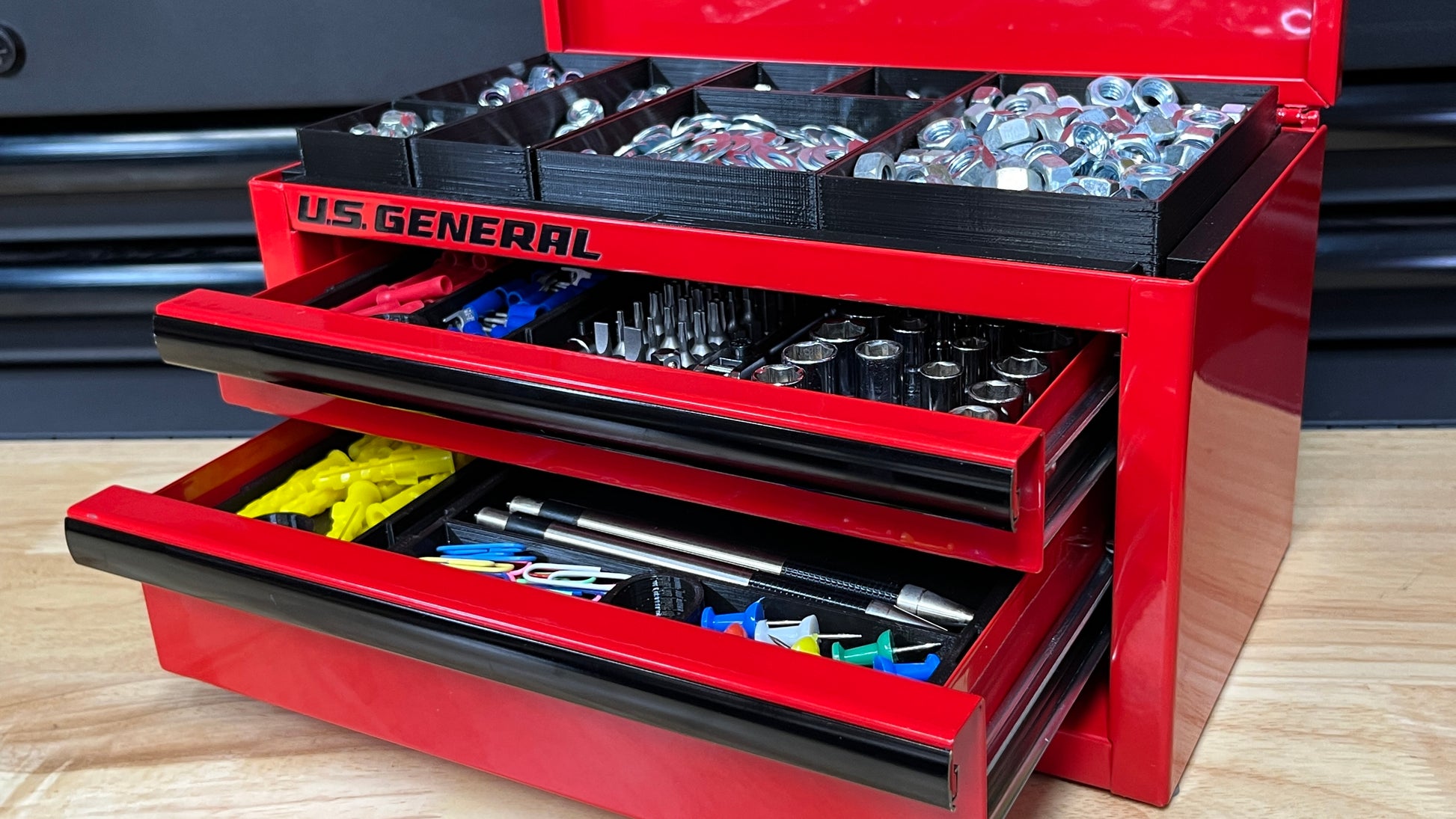
Generic bins are inexpensive, so printing a plain plastic box is not always a win. The advantage appears when the organizer fits a specific drawer, tool, battery, connector, or workflow better than a retail option.
Measure the available space, leave finger clearance, allow for drawer movement, and make the design modular. If one section changes later, you can reprint a small insert rather than the entire organizer. For made-to-fit options, explore Kevin’s custom tool holders and workshop organizers.
Custom mounts and brackets
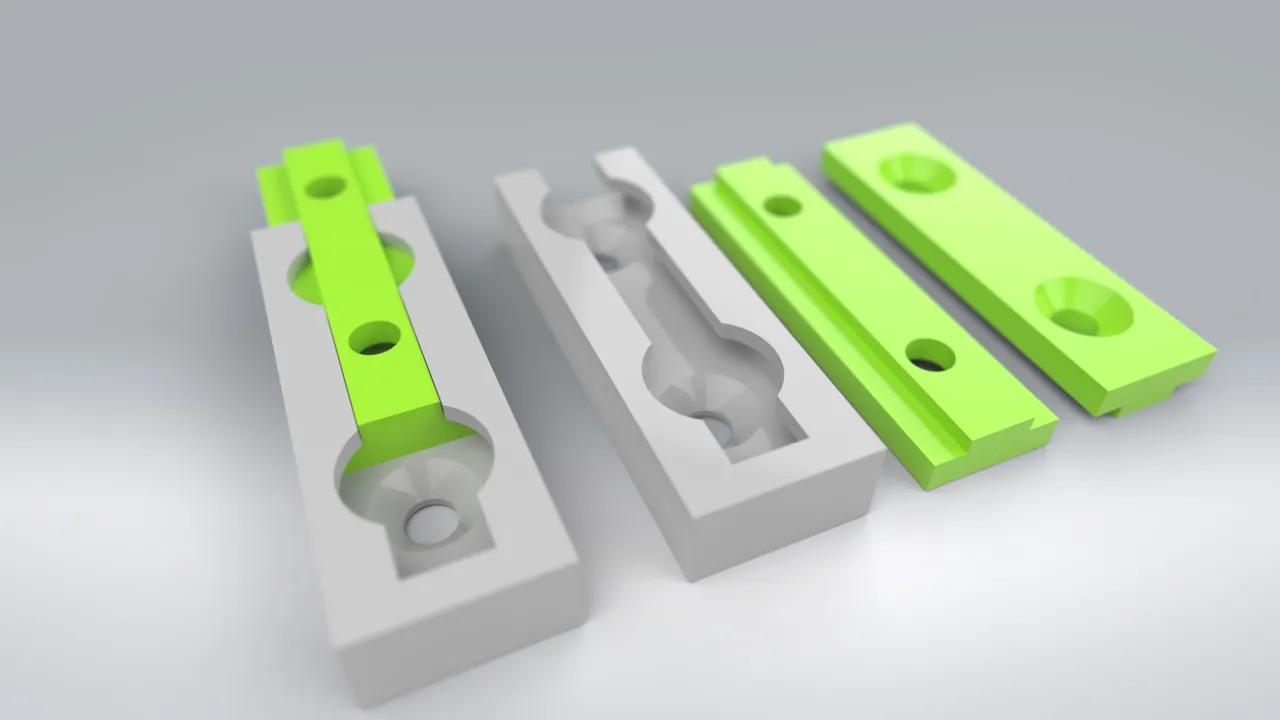
Router mounts, sensor brackets, camera holders, monitor spacers, hose guides, and smart-home mounts are strong candidates because the surrounding dimensions are often unique. Kevin also evaluates custom mounts and holders for one-off and small-batch projects.
For a load-bearing bracket, add generous fillets around inside corners, orient the part so the primary force does not peel layers apart, and test above the expected working load in a controlled setting. FFF parts have direction-dependent strength; UltiMaker’s design guidance explains why print orientation affects mechanical performance.
Automotive trim clips and noncritical interior pieces
Small automotive clips, caps, bezels, switch surrounds, and cable guides can be difficult to buy individually. They can also be deceptively demanding: parked vehicles experience heat, sunlight, vibration, and repeated thermal cycling.
Do not assume every PETG print is suitable for a car. Evaluate the measured environment and filament data sheet. ASA is often a better candidate when temperature and UV resistance matter, while nylon or polycarbonate may suit certain demanding parts if your equipment and experience support them. Prusa’s filament material guide is a useful starting point, but the manufacturer’s data sheet for your exact filament should make the final decision.
Keep 3D-printed parts away from safety-critical vehicle systems. Do not substitute an unvalidated print for brake, steering, restraint, airbag, fuel-system, structural, or high-current electrical components. When failure could injure someone, use an approved part.
Workshop jigs, guides, and setup aids

Drill guides, soft jaws, alignment blocks, depth stops, sanding fixtures, assembly nests, and inspection gauges can save time every time they are used. That repeatability is where workshop prints may deliver more value than one-off household fixes.
Design the jig around the operation, not the tool’s outline. Ask what must be located, which surfaces establish position, where chips need to escape, and how the operator will hold or remove the work safely.
Small household fixes that prevent larger damage
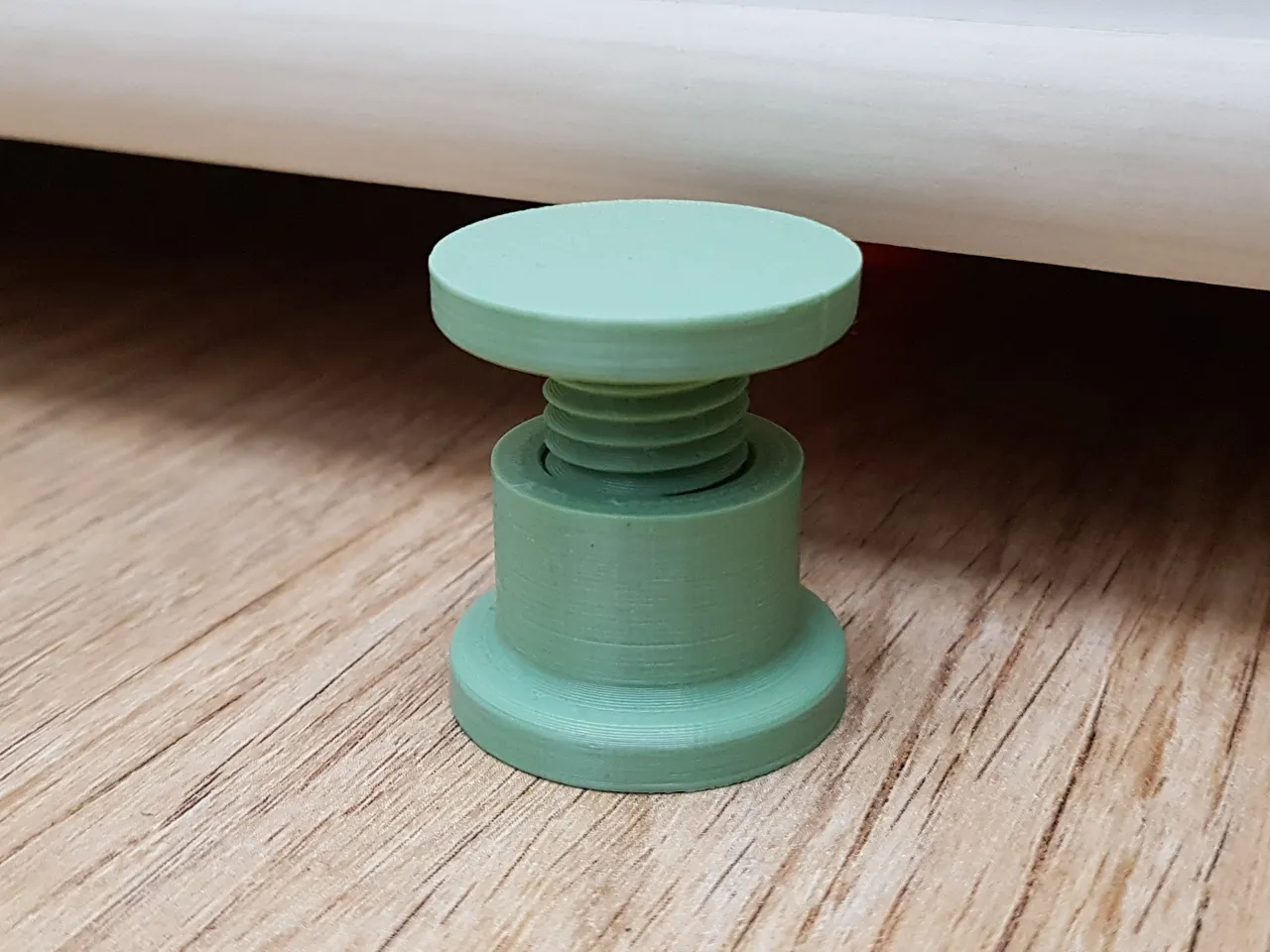
Furniture feet, door bumpers, cable strain reliefs, appliance spacers, vacuum adapters, drawer stops, and protective covers may use very little filament. Their value comes from preventing scratched floors, damaged connectors, loose assemblies, or unnecessary replacement.
Be especially cautious around heat, mains electricity, food contact, children, pets, and water pressure. A printable shape is not automatically a safe end-use part.
Legitimate local problem-solving work
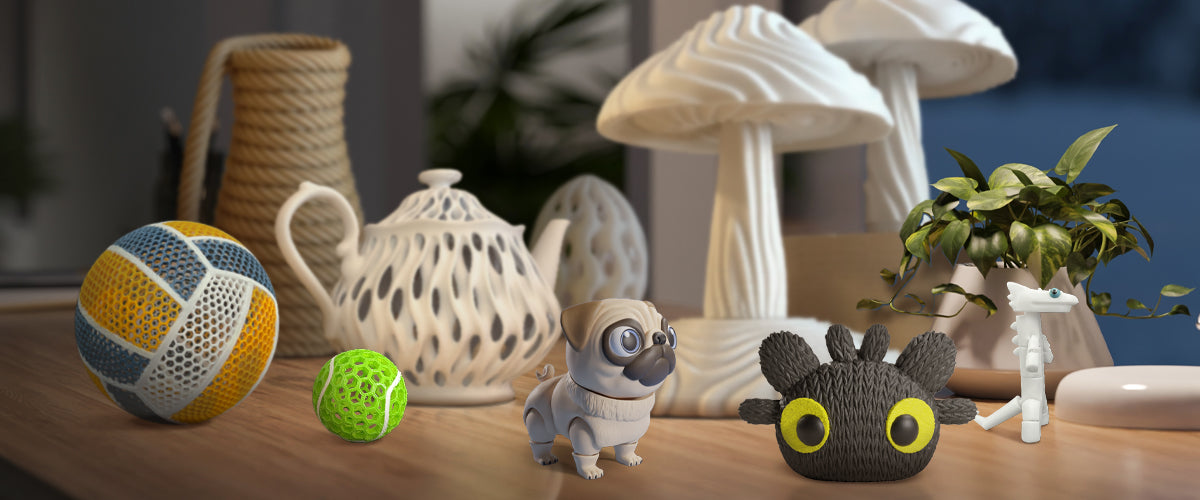
Once people see a successful repair, they often bring another one. A few modest replacement-part, prototype, fixture, or organizer jobs can offset ownership costs—but revenue is not profit.
Quote design time, test prints, filament, hardware, machine time, communication, and the risk of another revision. Confirm that the customer owns the design or has permission to reproduce it, and avoid trademarked products or downloaded models whose licenses prohibit commercial use.
For a realistic look at the business side, read Can You Still Make Money 3D Printing in 2026?
Use Kevin’s P.R.I.N.T. Method™ Before You Slice
P — Problem: What has failed, and what outcome would actually solve it?
R — Requirements: What loads, temperatures, chemicals, dimensions, appearance, and service life matter?
I — Interfaces: Where does the part touch, fasten, slide, seal, align, or avoid another component?
N — Next-Best Materials & Methods: Which material, orientation, wall structure, hardware, and manufacturing method fit those requirements?
T — Test & Tune: Print the smallest useful fit test, measure it, revise it, and validate the completed part before regular use.
This process prevents a common waste pattern: printing the entire part, discovering that one interface is wrong, and repeating the same expensive test. When possible, isolate the critical connection and print only that section first.
Want the complete beginner-friendly system?
P.R.I.N.T. It Practical: 3D Printing for Beginners walks through the practical decisions that turn an idea into a usable part.
Explore the P.R.I.N.T. It ebookQuick Material Selector for Functional Prints
| Material | Useful starting applications | Watch for |
|---|---|---|
| PLA | Fit checks, prototypes, organizers, light-duty indoor parts | Limited heat resistance; creep or deformation under some sustained loads |
| PETG | Moisture-exposed household parts, guards, containers, moderately tough components | Stringing, dimensional tuning, and inadequate performance for some hot environments |
| ASA | Outdoor parts, UV-exposed housings, some higher-temperature applications | Warping and emissions; an enclosure and appropriate ventilation are important |
| TPU | Feet, bumpers, flexible guards, strain reliefs, vibration isolation | Flexibility varies by grade; slower printing and careful extrusion may be needed |
| Nylon or PC | Selected demanding mechanical or heat-resistant parts | Moisture control, enclosure requirements, higher print temperatures, and advanced tuning |
Material names describe families, not identical products. Compare the technical data sheet for the exact filament with the part’s temperature, load, impact, chemical, and UV requirements.
Ventilation belongs in the project plan. NIOSH recommends source-control approaches such as appropriate ventilation and filtered or externally exhausted enclosures to reduce exposure to emissions from material-extrusion printers. See its safe 3D-printing guidance, especially when using enclosed machines or higher-temperature materials.
Functional Prints vs. Hobby Prints
There is room for both. The useful distinction is whether the print’s purpose matches what you expect it to deliver.
| Decision | Hobby or display print | Functional print |
|---|---|---|
| Primary purpose | Enjoyment, display, learning, or calibration | Fit, repair, alignment, protection, or repeated work |
| Design priority | Appearance and detail | Requirements, interfaces, strength, and service environment |
| Material choice | Often driven by color and printability | Driven by temperature, load, impact, chemicals, moisture, and UV |
| Testing | Visual inspection may be enough | Fit checks and controlled functional validation are usually needed |
| Financial return | Usually entertainment or learning value | Possible avoided cost, time savings, or legitimate revenue |
Tools That Support Practical Printing
Measurement and fit
A dependable digital caliper, radius gauges, thread gauges, and test coupons are often more useful than another decorative filament color.
Material traceability
Keep the filament brand, lot, profile, drying history, orientation, and revision with each functional job so a successful part can be reproduced.
Workflow control
For people managing multiple printers or repeated jobs, GridPilot may help organize the workflow. Evaluate whether its features fit your setup before subscribing.
Printer capability
If your current machine cannot reliably hold dimensions or process the required material, compare the cost of upgrading, outsourcing, or changing the design before buying another printer.
Independent learning
For another practical teaching perspective, Maker’s Muse offers 3D-printing education on printers, design, testing, and problem-solving.
Affiliate disclosure: Some links in this article may be affiliate links. If you purchase through one, 3D Printing by Kevin may earn a commission at no additional cost to you. Recommendations are based on reader fit and practical usefulness.
Four-Question Practical Knowledge Check
1. A replacement clip fits perfectly but will sit inside a hot vehicle. Is PLA automatically acceptable?
No. Fit is only one requirement. Temperature, sunlight, vibration, sustained load, and the exact filament data all need to be evaluated.
2. What should you print before committing to a six-hour replacement part?
Print the smallest section that tests the critical interface—such as the hole, shaft connection, snap, or mounting pattern—then measure and revise it.
3. Does $150 from three local jobs equal $150 in profit?
No. Profit must account for filament, electricity, hardware, failed prototypes, machine time, design work, communication, and revisions.
4. When should an approved replacement part be used instead of a 3D print?
Use the approved part whenever failure could affect safety, legal compliance, structural integrity, fire protection, vehicle control, medical use, or another high-consequence system.
Frequently Asked Questions
Do functional 3D prints really save money?
They can. The clearest savings usually come from replacing an unavailable small part, avoiding a larger assembly purchase, or creating a reusable tool. Compare the complete print cost with the realistic alternative rather than looking only at filament cost.
How much does a small functional print cost?
There is no reliable universal figure. Weight, material, print time, electricity, supports, failed attempts, hardware, and design labor all matter. Your slicer can estimate material use, but it cannot value your time or the cost of a revision.
Which 3D printer is best for functional parts?
The best printer is one that can repeatedly hold the dimensions you need and safely process the required material. Reliability, enclosure needs, build volume, serviceability, and material compatibility often matter more than maximum advertised speed.
What is the best beginner filament for useful prints?
PLA is approachable for prototypes, organizers, and light-duty indoor parts. PETG expands the range of practical uses, but it is not a universal upgrade. Match the exact filament to the environment and failure consequences.
Can I sell replacement parts I design?
Sometimes, but ownership, patents, trademarks, customer permissions, model licenses, product-safety obligations, and local business requirements can apply. Do not assume that a downloadable or reverse-engineered design includes commercial rights. For a commercial project involving someone else’s product or design, obtain qualified legal guidance.
Have a broken or hard-to-find plastic part?
When replacement parts disappear, we make the next one. Share the problem, dimensions, photos, and intended environment so Kevin can evaluate whether 3D printing is the right process.
Request a project quoteThe Bottom Line
Functional 3D printing is not valuable because every object costs pennies. It is valuable because the right part can preserve a useful product, eliminate a poor-fitting purchase, repeat a workshop task, or solve a problem that ordinary retail inventory ignores.
Use the $500 figure as a challenge to document value—not as a promise. Start with one real problem, measure the interfaces, select the material from the requirements, print a focused test, and record what the finished solution actually saved. That is how a printer moves from novelty to practical equipment.
