For years, Gyroid was considered the gold standard for functional 3D prints. Celebrated for its non-planar structure and isotropic strength, it has long been the default for makers seeking reliability. However, as 3D printing speeds reach 500mm/s and beyond, a new contender—Cross Hatch—is being widely adopted as a high-speed alternative to traditional patterns.

This guide analyzes the performance data of both patterns, their impact on your filament consumption, and how to choose the right one for your next 3D printing calibration.
Disclosure
The Case for Cross-Hatch Infill
While Gyroid is structurally superior in all directions, its constant oscillation can cause high-frequency vibrations on high-speed machines like the Creality K1 series. Cross-hatch infill attempts to solve this by using linear movements that periodically transition directions.
Key advantages of Cross-Hatch include:
- Reduced Machine Vibration: Linear paths are easier on belts and motors compared to the rapid “shaking” sometimes caused by Gyroid.
- Faster Acceleration: Long, straight lines allow high-speed printers to reach their maximum velocity more consistently.
- Efficient Slicing: Generally results in smaller G-code files and faster slicing times for large-scale 3D prints.
Which infill is best for high-speed 3D printing?
For high-speed functional parts where surface finish and machine longevity are priorities, Cross Hatch is often preferred to reduce mechanical resonance. However, for maximum all-around structural integrity, Gyroid Infill remains the top choice as it provides uniform strength and prevents nozzle collisions without the crossing-line issues found in Grid patterns.
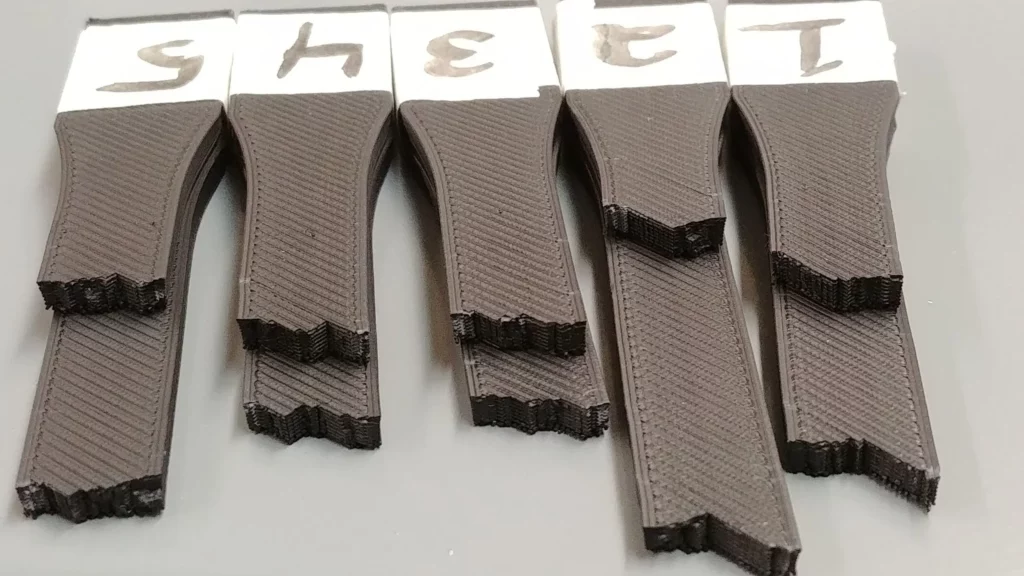
Gyroid vs. Cross Hatch vs. Grid
| Feature | Gyroid Infill | Cross Hatch Infill | Grid Infill |
|---|---|---|---|
| Primary Benefit | Isotropic Strength | High-Speed Efficiency | Maximum Stiffness (Z) |
| Machine Wear | Moderate (Vibration) | Low (Linear) | Moderate (Nozzle Hits) |
| Print Speed | Moderate | High | High |
| Filament Efficiency | Moderate | High | Moderate |
| Best For | Functional Parts | High-Speed Prototyping | Simple Brackets |
Essential Gear for Infill Optimization
Modern infill patterns require high-precision hardware to maintain structural integrity at speed.
- High-Speed Hardware: Machines like the latest Creality series feature input shaping to handle the vibrations of Gyroid or the rapid transitions of Cross Hatch.
- Precision Scanning: For reverse-engineering parts that require specific internal structures, 3DMakerpro (Global) tools offer the accuracy needed for professional workflows.
- Premium Filament: Flow consistency is vital for thin-walled infill. We recommend COEX for materials that bond reliably during high-speed passes.
- Industrial Components: For high-flow printing, industrial-grade nozzles from HONG KONG CHAORONG CO., LIMITED ensure consistent extrusion.
3D Printing Calibration for Beginners: The Infill Trade-off
If you are exploring 3D printing for beginners, the “best” infill depends on your goals. Use this simple framework for your next calibration:
- Use Gyroid if you need a part to hold weight from multiple angles (e.g., a mounting bracket) or if you want to avoid the “nozzle scraping” sound common with Grid.
- Use Cross Hatch if you are printing a large aesthetic model and want to shave hours off the print time while minimizing wear on your printer’s motion system.
- Use Grid only for simple, low-height parts where speed is the only factor and your printer is well-calibrated to avoid blobs at intersections.
Internal Link Suggestion: Review our full guide on 3D Printing Calibration for advanced tuning tips.
FAQ
Is Gyroid still the strongest infill in 2026?
Yes. For general-purpose functional parts, Gyroid provides the most consistent strength-to-weight ratio and isotropic properties. While patterns like Cross Hatch are faster, they do not yet match Gyroid’s multi-axis structural performance.
Does Cross Hatch cause surface artifacts?
In some cases, yes. Because Cross Hatch transitions between directions every few layers, it can occasionally cause “banding” artifacts on thin walls. If surface quality is paramount, Gyroid or Cubic are safer choices.
How does infill choice affect 3D printing calibration?
Patterns like Gyroid require a well-tuned “Pressure Advance” or “Linear Advance” to ensure consistent flow through its many curves. Cross Hatch is more forgiving but benefits from precise flow rate calibration to prevent gaps in the hatch pattern.
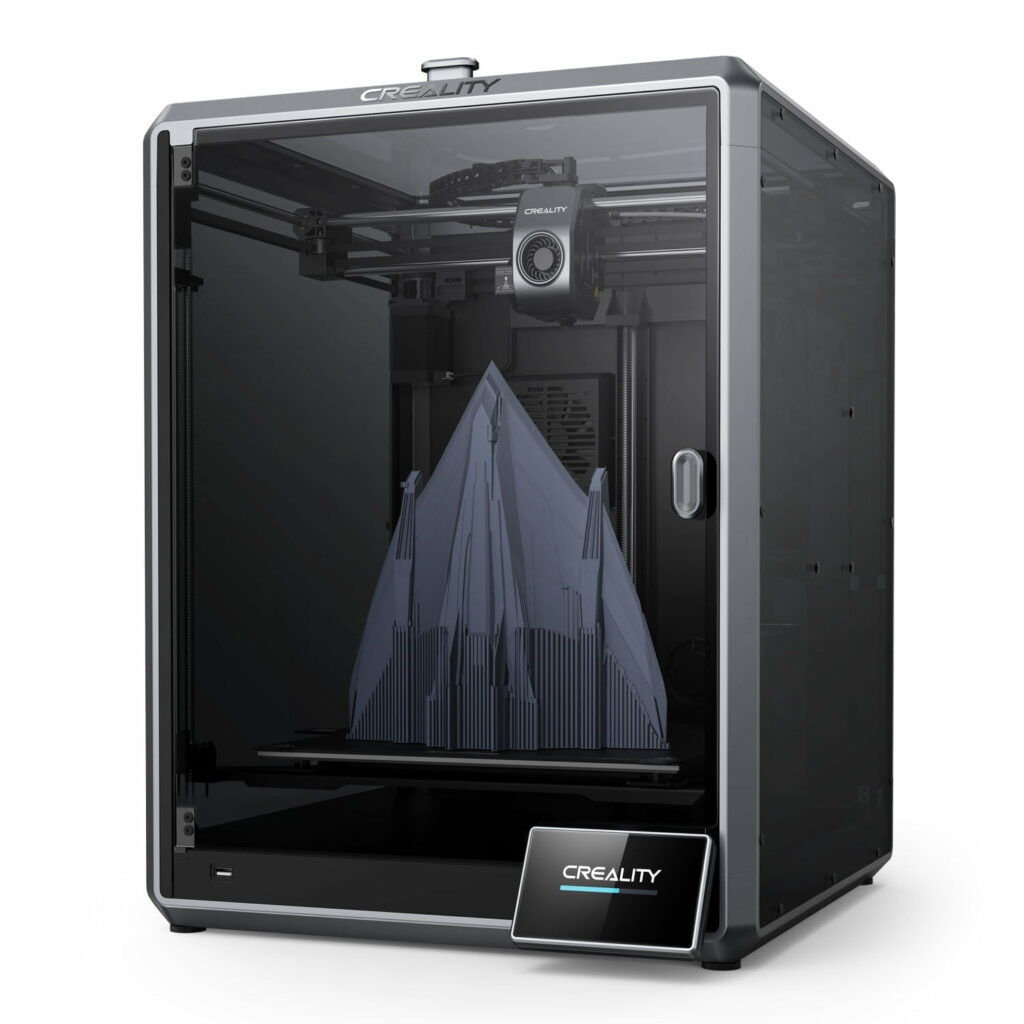
Recommendation: The 2026 Pro Setup
To get the most out of these modern patterns, we recommend:
- Printer: Creality K1 Max (Optimized for high-speed linear and curved paths).
- Filament: COEX PLA+ (High-flow reliability).
- Measurement: 3DMakerpro Seal (For industrial-grade structural verification).
Note: This post contains affiliate links. If you use these links to buy something, we may earn a commission. This helps support 3dprintingbykevin.com at no additional cost to you.