
From broken brackets to custom mounts and prototypes, see how custom 3D printed parts can save money, reduce waste, and solve real-world problems faster.
Picture this: You are mid-project when a tiny, fifty-cent plastic gear inside your most reliable shop tool suddenly snaps. You call the manufacturer, only to be hit with the ultimate modern frustration—the specific piece is discontinued, or worse, they demand you replace the entire $150 assembly just to fix one broken tooth.
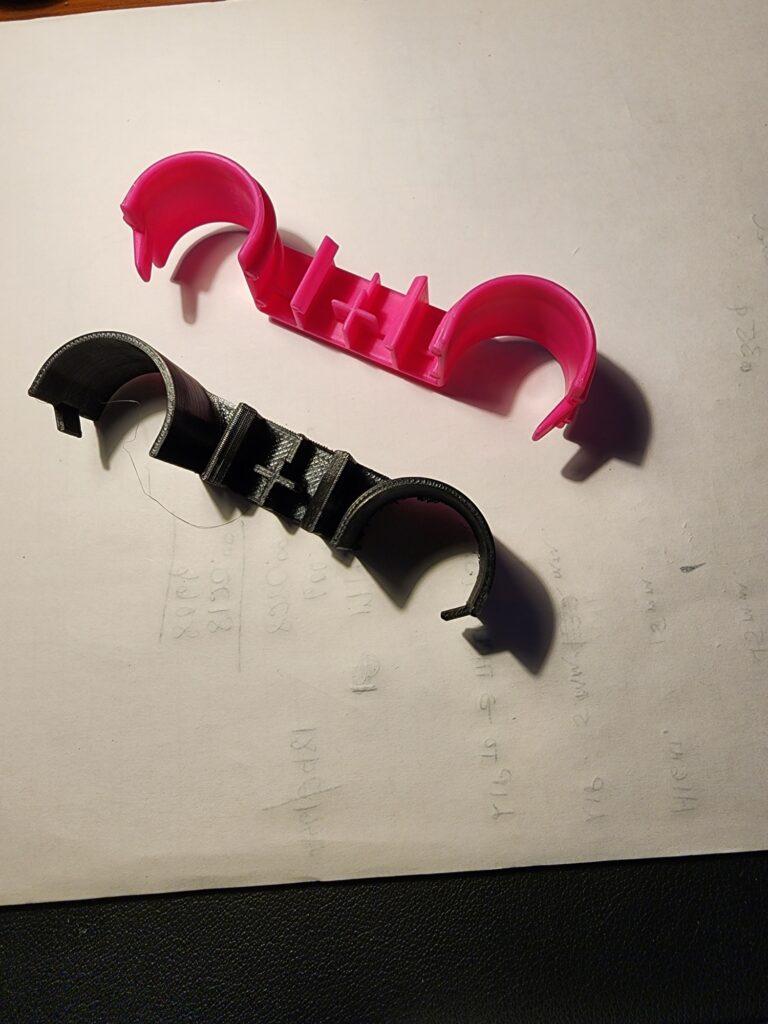
For decades, that meant tossing perfectly good, expensive equipment straight into the landfill. Not anymore.
Welcome to the new era of practical, problem-solving manufacturing. We are moving far beyond the realm of printing simple desk trinkets and entering a world where custom 3D printed parts and designs serve as the ultimate repair hack. Whether you want to master the machines to fix things yourself, or you are looking into having your models made by 3D Printing by Kevin for guaranteed results, this technology is completely changing how we rescue, restore, and upgrade the items we rely on every single day.
Affiliate Disclosure: This post contains affiliate links. If you purchase through these links, I may earn a small commission at no extra cost to you. I only recommend products I personally use and trust.
The Power of Practical 3D Printing
When most people think of 3D printing, they picture plastic toys or tabletop miniatures. While those are incredibly fun, the true power of this technology lies in functional, real-world applications.
Custom 3D printing bridges the gap between a broken mechanism and a fully restored machine. It allows for the creation of replacement parts that are often stronger, better designed, and more resilient than the injection-molded originals that failed in the first place.
If you are brand new to this concept and want to understand the foundational mechanics of how these machines turn digital files into physical objects, I highly recommend checking out my guide on 3D printing for absolute beginners.
From Broken Fragments to Functional Replacements
The process of replacing a broken part starts with capturing the exact dimensions of the original. There are two primary ways to approach this: digital design and 3D scanning.
Precision Scanning for Complex Geometry
For highly complex, organic shapes that are difficult to measure with traditional digital calipers, 3D scanning is a game-changer. Using high-fidelity equipment like the scanners from 3DMakerpro (affiliate link), you can capture a broken part in three dimensions, bring it into your computer, and digitally stitch the broken pieces back together. This creates a perfect replica ready for manufacturing.
Custom CAD Design
For mechanical parts like gears, brackets, and hinges, building a new model from scratch is often the best route. This allows you to reinforce weak points that caused the original part to break.
Mastering Computer-Aided Design (CAD) is incredibly rewarding. If you want to dive into creating your own solutions, read my comprehensive breakdown on acquiring the skills to design 3D objects using software.
Need a Part Now? Let Me Handle It Not everyone has the time to learn CAD software or invest in a high-end 3D scanner. That is exactly why I offer custom design and fabrication services. If you have a broken part or a brilliant idea for a custom prototype, having your models made by 3D Printing by Kevin ensures you get engineering-grade results without the learning curve. You send the specifications or the broken piece; I handle the design, the prototyping, and the final production.
Engineering for Strength: Materials and Settings
Creating a part that solves a real problem requires more than just a good digital model. It requires the right materials and absolute precision during the printing phase.
Choosing the Right Filament
A replacement gear for a garage door opener cannot be printed out of basic PLA; it requires something that can withstand friction and heat, like ABS, PETG, or Nylon. Sourcing high-quality filament is non-negotiable for functional parts. I consistently rely on premium, American-made materials. If you want to upgrade your prints, you can grab filament from COEX using my COEX link and apply the coupon code 3DPRINTINGBYKEVIN at checkout for 15% off your order.
Working with high-temperature materials can be tricky. If you struggle with parts lifting off the build plate during long, functional prints, you need to read my guide on the easiest way to stop 3D print warping with PLA, PETG, and ABS.

Precision and Patience
When printing mechanical parts where tolerances matter down to the fraction of a millimeter, your machine must be perfectly tuned. I run my production jobs on incredibly reliable machines, including my trusted Creality (affiliate link) workhorses.
However, a great machine still needs a knowledgeable operator. The secret to dimensional accuracy often lies in your setup. Do not start a functional print without applying the calibration trick that makes any 3D printer perform better.
Furthermore, when strength is the ultimate goal, speed is your enemy. Pushing plastic too fast reduces layer adhesion, which is catastrophic for load-bearing parts. You might be shocked to learn what happens when you slow your 3D printer down. The results speak for themselves in sheer tensile strength.
Keeping Your Production Running Smoothly
If you are maintaining your own printer to create functional designs, you will inevitably run into maintenance hurdles. Stripped nozzles, clogged hotends, and bed adhesion issues can stop your workflow dead in its tracks.
Having the right diagnostic mindset is crucial. Bookmark my troubleshooting manual on how to fix common 3d printing problems quickly so you are never left guessing.
And before you attempt to pry a stubborn, functional PETG print off your glass bed with a kitchen knife, do yourself a favor and pick up the $15 tool every 3D printer owner should have. It will save your build surface and your hands.
Stop Searching for Discontinued Parts
Do you have a broken household item, a specialized automotive clip, or a prototype idea that needs to become a reality? Stop wasting time scouring eBay for overpriced used parts.
Contact 3D Printing by Kevin today. I specialize in reverse-engineering broken components and delivering high-strength, custom 3D printed replacements directly to your door.
Request a Custom QuoteStop Replacing, Start Restoring
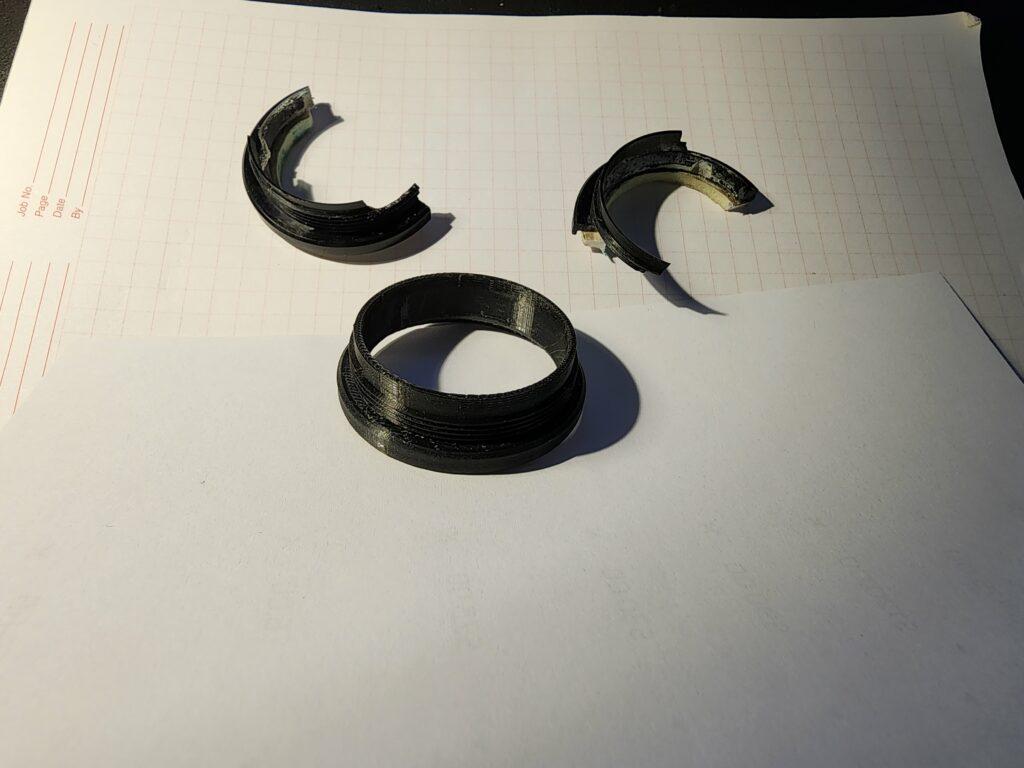
The throwaway culture is coming to an end. Custom 3D printed parts and designs give us the power to take control over the objects we own. Whether it is a tiny gear in a vintage clock, a custom bracket for a camera rig, or a heavy-duty spacer for an automotive project, the solution is just a digital file away.
You have the option to learn the skills, buy the materials, and master the machines. But when you need absolute precision and guaranteed strength without the hassle, having your models made by 3D Printing by Kevin is your ultimate shortcut to a solved problem.
Frequently Asked Questions
Can a 3D printed part be as strong as the original? Yes. In many cases, it can be stronger. By using advanced materials like PETG, ABS, or Polycarbonate, and by altering the digital design to add reinforcement to known weak points, a custom 3D printed part can easily outperform cheap injection-molded plastics.
How do I get a custom part designed if I do not know CAD? You can hire a professional. By utilizing the services of 3D Printing by Kevin, you simply provide the broken pieces or exact measurements, and the digital drafting, prototyping, and final manufacturing are handled for you.
Is it cheaper to 3D print a replacement part or buy a new appliance? It is almost always significantly cheaper to replace a single broken component. Custom design and printing usually cost a fraction of what replacing an entire appliance or major mechanical assembly would cost.