
We have all been there. You are working on a restoration project, a custom PC build, or a home invention, and you realize you need a specific bracket, a unique housing, or a discontinued gear. You search every online retailer and hardware store only to find that the part simply does not exist in the physical world.
In the past, this was a dead end. Today, it is merely a starting point. Custom 3D printing has moved beyond simple plastic trinkets into the realm of high-performance functional parts. Whether you are looking to manufacture a one-off prototype or a batch of specialized components, the bridge between a “good idea” and a “physical object” is shorter than ever.
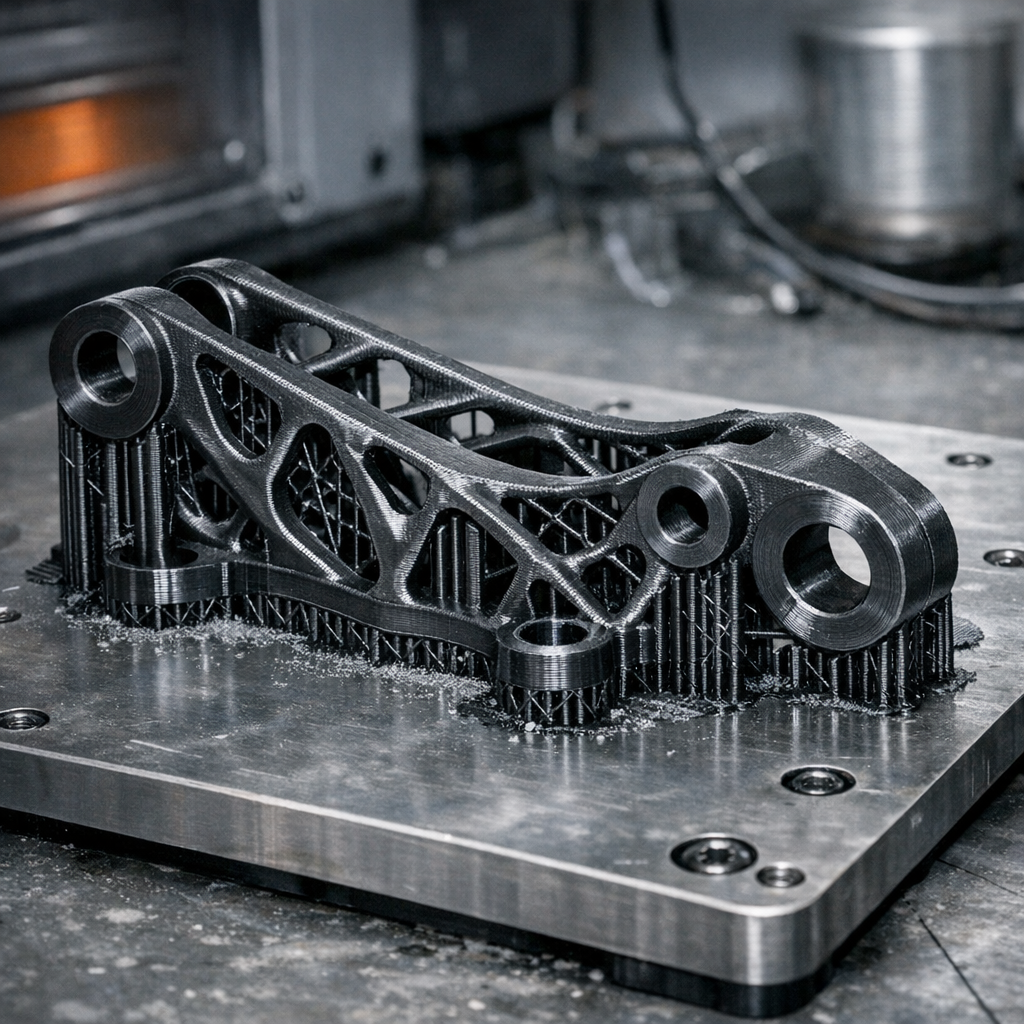
Why Custom Fabrication Beats Off-the-Shelf
Mass production is designed for the average user. It relies on economies of scale, which means niche needs are often ignored. When you are working on a unique build, “average” is rarely good enough.
Custom 3D printing allows for:
- Perfect Geometry: Parts designed to fit your specific dimensions, not a “universal” size that almost works.
- Material Specialization: Choosing the right filament for heat resistance, flexibility, or high impact.
- Rapid Iteration: Changing a design on Tuesday and having a new physical version in your hands by Wednesday.
If you are just starting to explore this technology, understanding 3D printing for absolute beginners is a great way to see the sheer scope of what is possible.
From Concept to CAD: The Design Phase
Every unique build starts as a digital file. While many makers download pre-made designs, the true power of the medium is unlocked when you create your own. Developing the skills to design 3D objects using software allows you to solve your own engineering problems.
However, design is only half the battle. The transition from a digital model to a physical part requires a deep understanding of printer physics.

Professional Results: The Difference in the Details
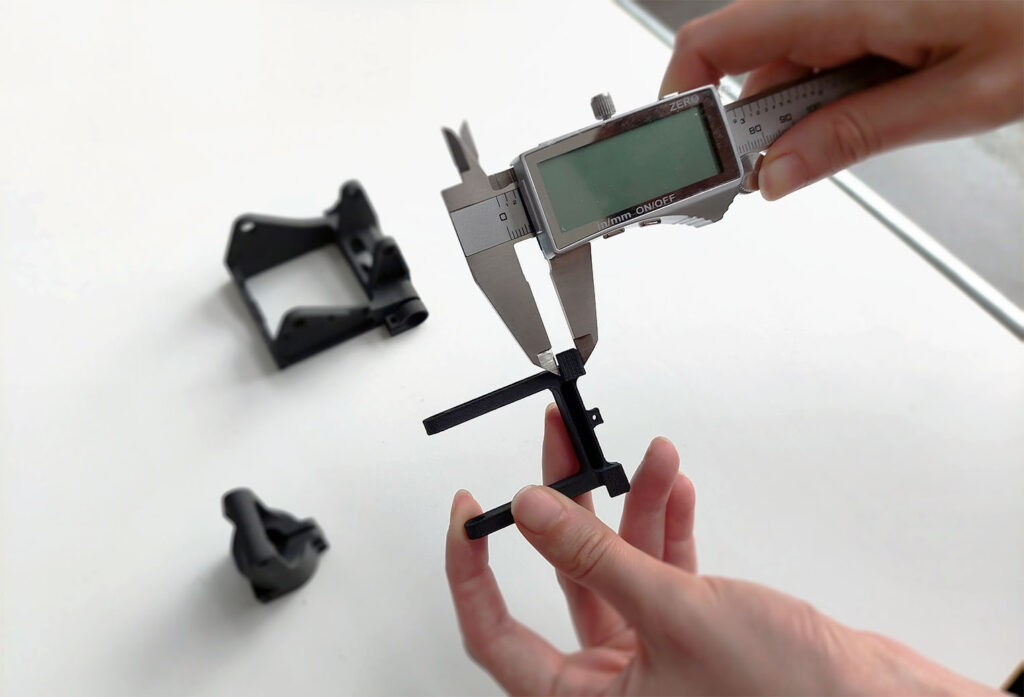
There is a significant gap between a hobbyist print and a professional-grade component. Professional results require meticulous attention to machine health and settings. For instance, applying a specific calibration trick can be the difference between a part that snaps under pressure and one that lasts for years.
Furthermore, precision often requires patience. We have found that slowing your 3D printer down frequently yields results that surprise even seasoned makers, especially when dealing with intricate tolerances for unique builds.
Essential Tools and Materials for Success
To produce high-quality custom builds, you need more than just a printer. You need a curated toolkit. We recommend that every enthusiast keeps the 15 essential tools on hand to post-process and refine their prints.
Recommended Hardware
If you are looking to bring your manufacturing in-house, these are the platforms we trust:
- For Reliable Printing: The Creality lineup offers a robust entry point for those wanting to start their own custom builds.
- For Reverse Engineering: If you need to replicate an existing object that “doesn’t exist” in digital form, 3DMakerpro provides high-accuracy 3D scanning solutions to jumpstart your CAD process.
Quality Filament
A custom build is only as good as the material it is made from. We use and recommend COEX for consistent, high-grade American-made filament.
- Promotion: Use coupon code 3DPRINTINGBYKEVIN for 15% off your order at COEX3D.

Overcoming Common Fabrication Hurdles
The path to a unique build is rarely a straight line. You will likely encounter technical roadblocks. One of the most common issues is adhesion and environmental warping. Learning how to stop 3D print warping for PLA, PETG, and ABS is vital for functional parts that must remain dimensionally accurate.
When things go wrong, you need a strategy to fix common 3D printing problems quickly so your project stay on schedule.
Hire a Pro: 3D Printing by Kevin
Sometimes, the complexity of a build or the requirement for high-end industrial materials means you need a professional partner. Not everyone has the time to master the steep learning curve of advanced fabrication.
3D Printing by Kevin specializes in bringing “non-existent” parts to life. From mechanical components to artistic prototypes, we handle the intake, optimization, and production of your models.
Ready to start your unique build? Click here to access our Project Intake and Quote form.
FAQ
What file formats do I need for custom 3D printing? Most services require an STL or STEP file. STEP files are generally preferred for functional mechanical parts as they retain more mathematical data than mesh-based STL files.
Can 3D printed parts replace metal components? In many cases, yes. Using high-performance materials like carbon-fiber-reinforced nylon or specialized PETG can provide the necessary strength for many applications, though high-heat or extreme-torque scenarios may still require metal.
How long does a custom print take? Lead times vary based on part volume and complexity. A small bracket may take a few hours, while a complex assembly could take several days of continuous printing.
Disclosure
This post contains affiliate links for Creality and 3DMakerpro. If you use these links to buy something, we may earn a commission. We also maintain a partnership with COEX3D to provide our readers with discount codes.