
Your Replacement Part Fits—Until You Try to Install It
The holes line up, but the replacement still will not go in—or the screwdriver cannot reach. Check insertion paths, seating, tool access, and removal before changing the model or printing again.
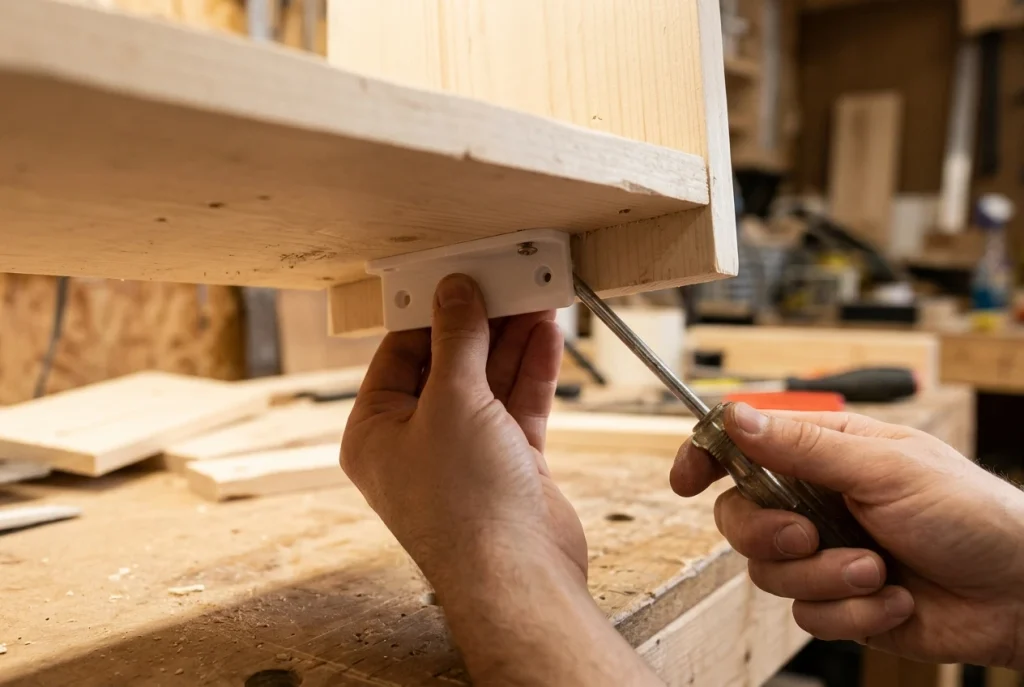
The holes line up, but the replacement still will not go in—or the screwdriver cannot reach. Check insertion paths, seating, tool access, and removal before changing the model or printing again.
A successful prototype is only the beginning. Learn what to record, check, and repeat before turning one functional 3D print into a small batch.
A screw connection can be the strongest feature in a functional print—or the first place it fails. Compare printed threads, tapped holes, captured nuts, and heat-set inserts, then choose the method that fits the load, material, and number of assembly cycles.
Resin printers can make detailed parts, but a cleaner machine does not eliminate chemical exposure. Here is what better workflows actually change—and what I want ready before adding resin to my shop.
A 500 mm/s rating does not mean every line prints at that speed. Learn how acceleration, hotend flow, cooling, filament and part geometry determine real-world high-speed 3D printing performance.